Leave A Message
If you are interested in our products and want to know more details,please leave a message here,we will reply you as soon as we can.

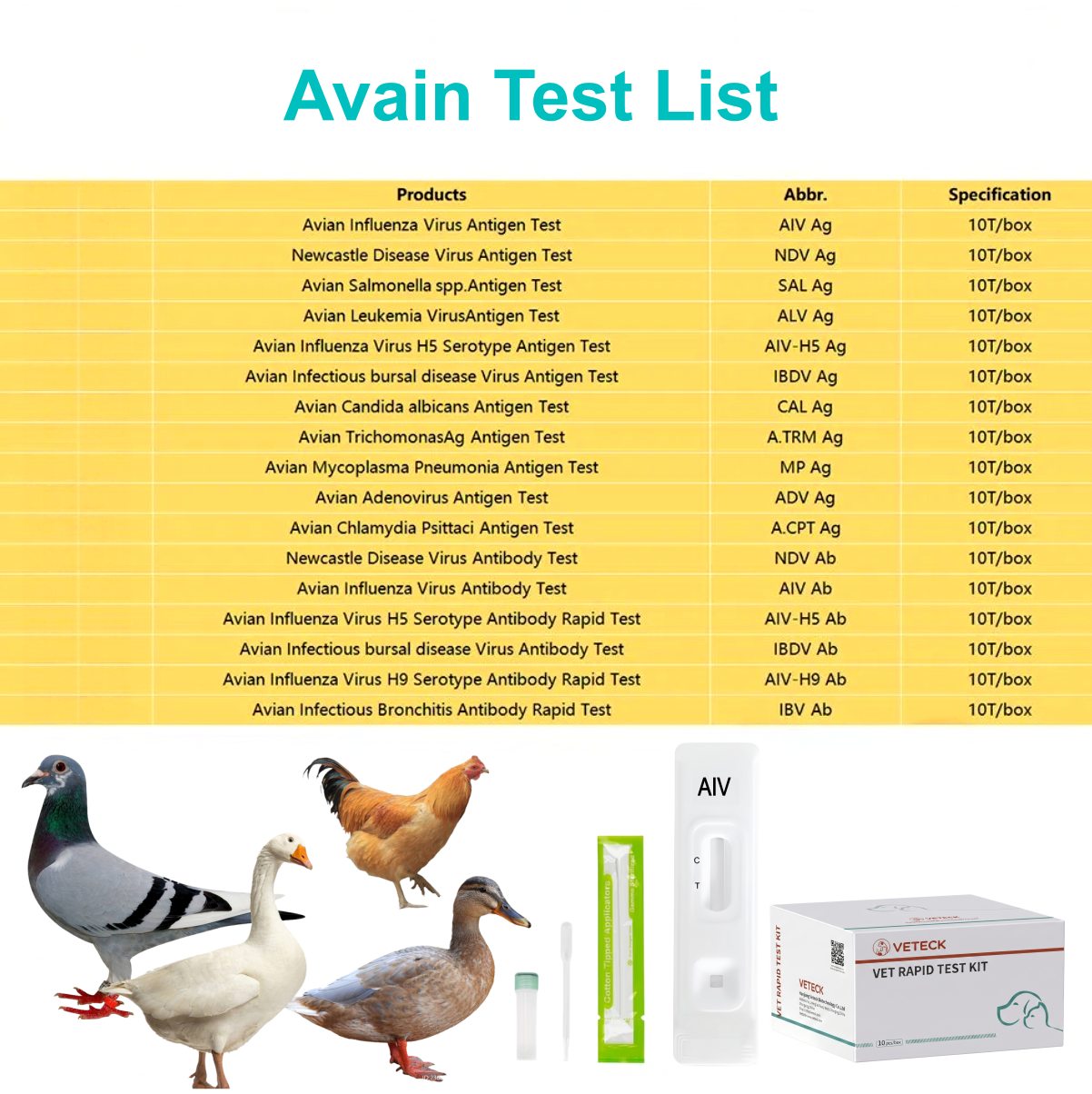
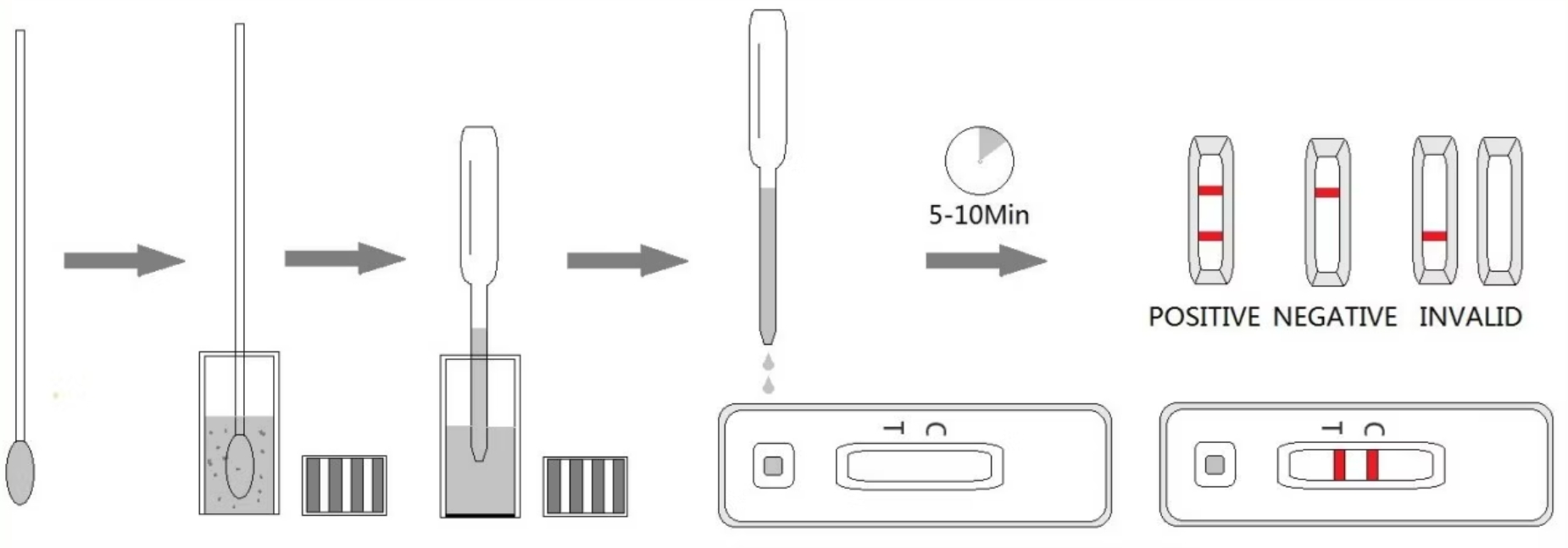
The Avian Influenza Virus Antigen Rapid Test is a rapid veterinary diagnostic assay designed for the qualitative detection of Avian Influenza Virus Antigen (AIV Ag) in avian cloacal swabs, tracheal swabs, or oropharyngeal samples. Utilizing advanced lateral flow immunochromatographic assay technology, this test provides results within 5–15 minutes, enabling poultry producers, veterinarians, farms, hatcheries, and laboratories to quickly identify potential Avian Influenza infections.
Feature
Easy opertaion
Fast read Result
High Sensitivity and accuracy
Reasonable price and high quality
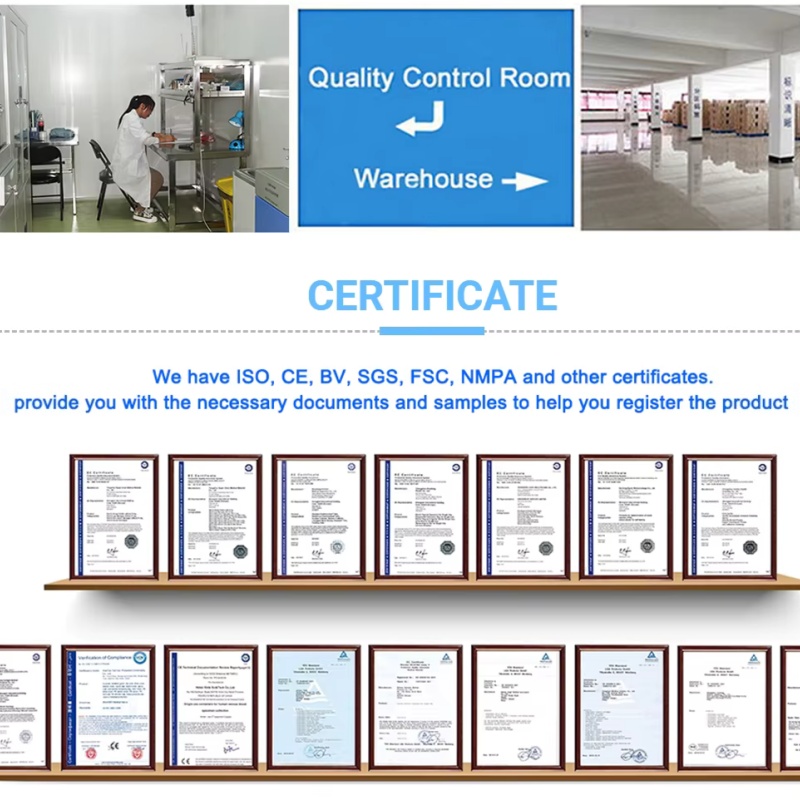
ISO9001 and GMP
Professional-grade veterinary POCT colloidal gold lateral flow assay for immediate, reliable qualitative detection of Avian Influenza Virus antigens in chickens, ducks, geese, and other poultry species.
Avian Influenza (AI), commonly known as bird flu, is a highly contagious and devastating viral disease affecting domestic poultry and wild birds. High Pathogenicity Avian Influenza (HPAI) strains can cause up to 100% mortality within 48 hours, leading to catastrophic economic losses, national trade bans, and mandatory mass depopulation. Furthermore, Low Pathogenicity Avian Influenza (LPAI) strains (such as H9N2) quietly erode egg production and feed conversion efficiency.
Our Avian Influenza (AI) Antigen Rapid Test Kit provides poultry integrators, farm managers, and veterinary authorities with an immediate frontline defense. Because the virus spreads rapidly via aerosols and contaminated organic material, running an immediate onsite rapid test allows for instantaneous quarantine and lockdown protocols, safeguarding your wider farming investments and supporting regional biosecurity compliance.
Avian Influenza (AI), commonly known as Bird Flu, is a highly contagious viral disease caused by Influenza Type A viruses that infect domestic poultry and wild birds worldwide.
Avian Influenza viruses are classified according to their surface proteins:
Common subtypes include:
Certain strains can cause severe economic losses due to high mortality, reduced egg production, trade restrictions, and flock depopulation.
| Product Name | Avian Influenza Virus Antigen Test |
| Specimen | Secretions from trachea, cloaca or feces |
| Assay Time | 5-10 minutes |
| MOQ | 300 test kits |
| Delivery time | 1 week after Get payment |
| Packing | 10 test kits/Packing box |
| Storage Temperature | 2-30°C,DO NOT FREEZE. Do not store the test kit in direct sunlight. |
| Shelf Life | 18 months |
| Production Capacity | 1 Million/Day |
| Payment | T/T, Western Union, Paypal |
| Result | RT-PCR Test Kit Positive | RT-PCR Test Kit Negative | |
| Avian Influenza Virus Antigen Rapid Test | Positive | 95 | 7 |
| Negative | 10 | 77 | |
| Relative Sensitivity | 90.48% | ||
| Relative Specificity | 91.67% | ||
| Relative Accuracy | 91.01% | ||

Veteck is committed to providing accurate, convenient, and accessible veterinary diagnostic products for global animal health markets. Through continuous innovation, strict quality control, and efficient manufacturing capabilities, we support veterinarians and pet healthcare professionals in making faster and better diagnostic decisions.
As an experienced OEM and ODM partner, Veteck provides customized diagnostic solutions including product development, private labeling, packaging design, and manufacturing services. We work closely with global partners to deliver flexible solutions that meet different market requirements.
Q1: Can this rapid test kit detect both Highly Pathogenic (HPAI) and Low Pathogenic (LPAI) Avian Influenza strains?
A: Yes. Our rapid test kit targets the highly conserved nucleoprotein (NP) core of the Influenza A virus, which is present across all strains. Therefore, it successfully detects both Highly Pathogenic Avian Influenza (such as H5N1, H5N6, H7N9) and Low Pathogenic Avian Influenza (such as H9N2), making it an all-in-one screening barrier for poultry biosecurity.
Q2: Which sample matrix provides the highest diagnostic sensitivity—tracheal swabs or cloacal swabs?
A: The optimal sample matrix depends heavily on the specific virus subtype. For instance, H5 and H7 HPAI strains typically exhibit high titers in both the respiratory and digestive tracts, meaning either tracheal or cloacal swabs will yield strong positive results. For LPAI strains like H9N2, which primarily colonize the upper respiratory system, tracheal swabs generally provide a significantly higher viral antigen load and sharper Test (T) lines.
Q3: Will live attenuated or recombinant vector AI vaccines cause a false-positive on this antigen test?
A: Injectable inactivated (killed) vaccines will not cause false positives. However, if your region utilizes live recombinant vector vaccines (such as HVT or Fowlpox-vectored AI vaccines), they do not shed full structural viral nucleoproteins, so they will also test negative. Only live attenuated Influenza A virus replication (which is heavily restricted globally) can cause temporary shedding; thus, a positive result almost always flags a wild-type natural infection.
Q4: How does the kit minimize cross-reactivity with Newcastle Disease Virus (NDV) or Infectious Bronchitis (IBV)?
A: Respiratory symptoms in poultry can be highly ambiguous. To ensure absolute diagnostic accuracy, our R&D team uses advanced epitope-specific monoclonal antibodies that explicitly bind to the Influenza A nucleoprotein. Rigorous batch validation ensures zero cross-reactivity with alternative avian pathogens, including NDV, IBV, and Infectious Laryngotracheitis Virus (ILTV), ruling out overlapping false positives.
Q5: What is the specific analytical sensitivity (LOD) of this avian influenza rapid test?
A: Our automated manufacturing lines regulate a highly competitive Limit of Detection (LOD). The test is calibrated to capture viral titers as low as 103.0 EID50/mL (Egg Infectious Dose). This high analytical sensitivity ensures that the kit can flag infected birds during the early incubation or early shedding phase, often before massive flock mortality begins.
Q6: What causes a "clear background delay" or slow liquid migration, and how can farm technicians avoid it?
A: Slow capillary migration usually happens when a cloacal or fresh fecal sample is too thick or fibrous, which clogs the porous structure of the sample pad. To prevent this, ensure technicians only take a thin, visible coating of organic matter on the swab tip. If the solution appears overly turbid, allow the heavy particulates inside the extraction tube to settle for 60 seconds before pipetting the clear supernatant into the well.
Q7: Can we test pooled samples (e.g., combining swabs from 5 birds into one tube) to save testing costs?
A: While pooling is common in laboratory PCR testing, it is not recommended for lateral flow assays. Pooling samples dilutes the individual viral antigen concentration below the qualitative threshold (LOD) of the test strip, which may lead to false negatives. For reliable biosecurity screening, each suspect or symptomatic bird should be sampled and tested using an independent cassette.
Q8: Do you offer eco-friendly bulk packaging options (without individual plastic cassettes) for large-scale poultry integrators?
A: Yes, absolutely. For mega-farms and poultry integrators performing routine high-volume surveillance, we offer simplified commercial bulk packaging. We can supply un-cut sheets or individual test strips packed in multi-test canisters without the external plastic cassette housings. This drastically reduces per-test costs, minimizes environmental waste, and slashes international air freight volume by up to 40%.
Q9: How are the reagents protected against the extreme humidity and heat of tropical farming regions?
A: Our diagnostic kits maintain a full 24-month shelf life stored at room temperature (2°C to 30°C). To ensure complete stability in tropical climates (such as Southeast Asia, Africa, or Latin America), each test cassette is hermetically sealed in a heavy-duty aluminum foil pouch with a high-capacity molecular sieve desiccant pouch, protecting the gold-conjugated proteins from moisture-induced degradation.
Q10: Do you provide standard veterinary technical dossiers to support international agricultural tenders?
A: Yes, we provide comprehensive support for global distribution partners bidding on national or regional Ministry of Agriculture tenders. We supply an extensive Technical Registration Dossier, including factory ISO 13485 certificates, veterinary GMP compliance summaries, official stability study data, and lot-specific Certificates of Analysis (COA) to ensure a smooth, hassle-free customs clearance and local registration process.
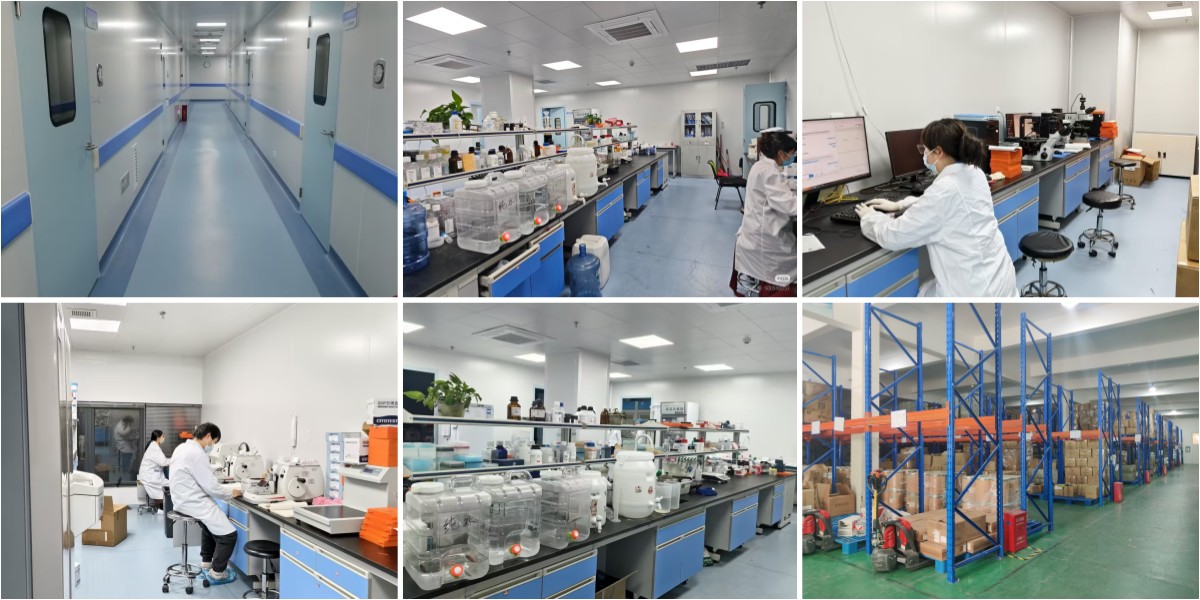

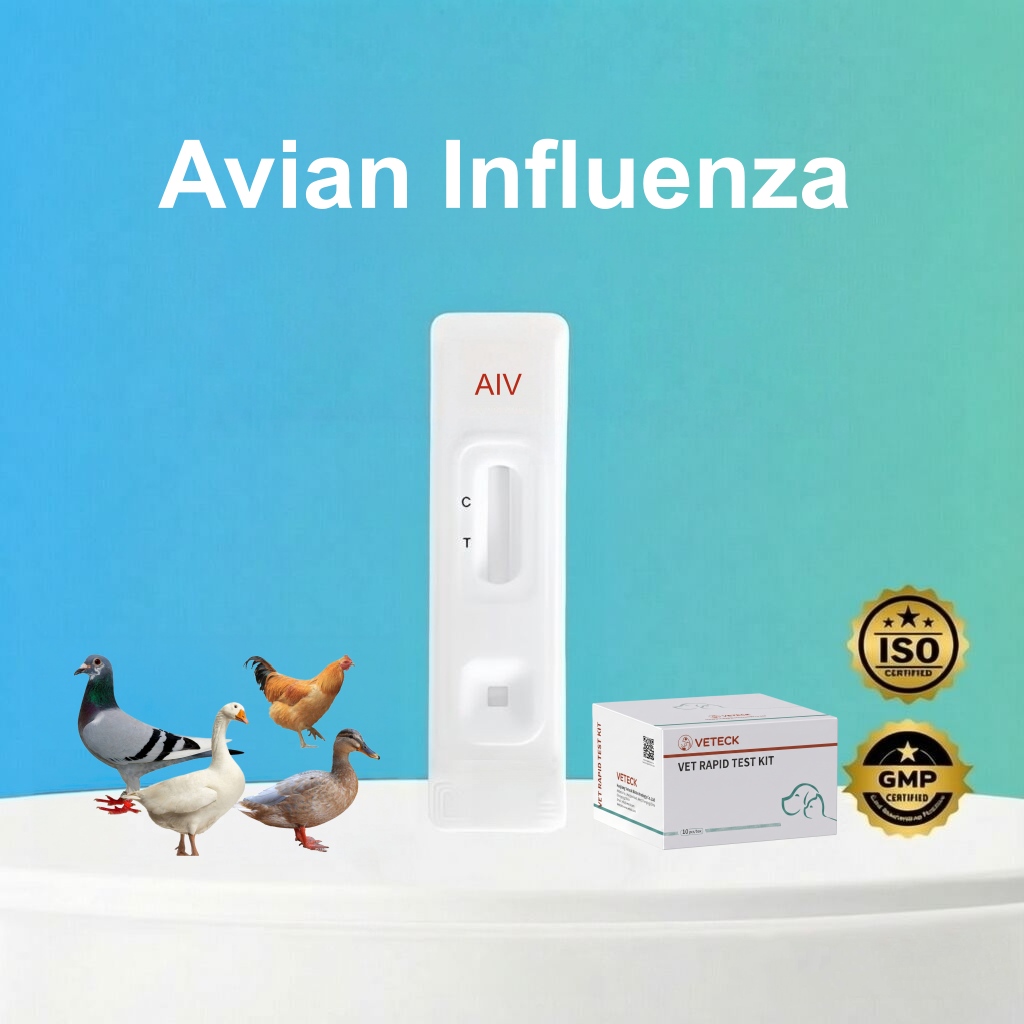
The Avian Influenza Virus Antigen Rapid Test is a rapid veterinary diagnostic assay designed for the qualitative detection of Avian Influenza Virus Antigen (AIV Ag) in avian cloacal swabs, tracheal swabs, or oropharyngeal samples. Utilizing advanced lateral flow immunochromatographic assay technology, this test provides results within 5–15 minutes, enabling poultry producers, veterinarians, farms, hatcheries, and laboratories to quickly identify potential Avian Influenza infections. FeatureEasy opertaionFast read ResultHigh Sensitivity and accuracyReasonable price and high qualityISO9001 and GMP
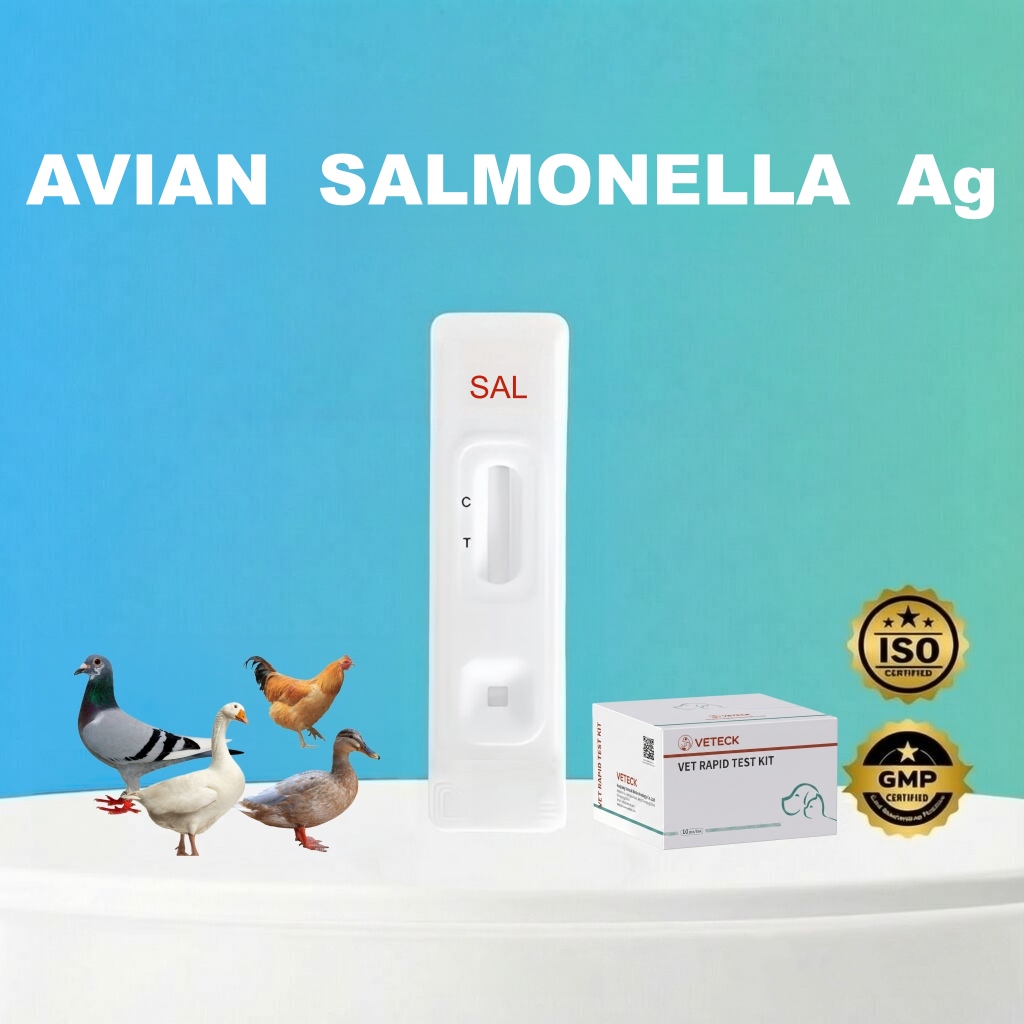
Rapid Salmonella Detection Provides fast screening of Salmonella spp. antigens in poultry samples. Poultry Disease Prevention Support Helps identify potential Salmonella infection risks and supports early disease management.Easy Point-of-Care Testing Designed for convenient use in poultry farms, veterinary clinics, and field testing environments.Reliable Immunochromatographic Technology Uses lateral flow technology to provide consistent and practical diagnostic performance.
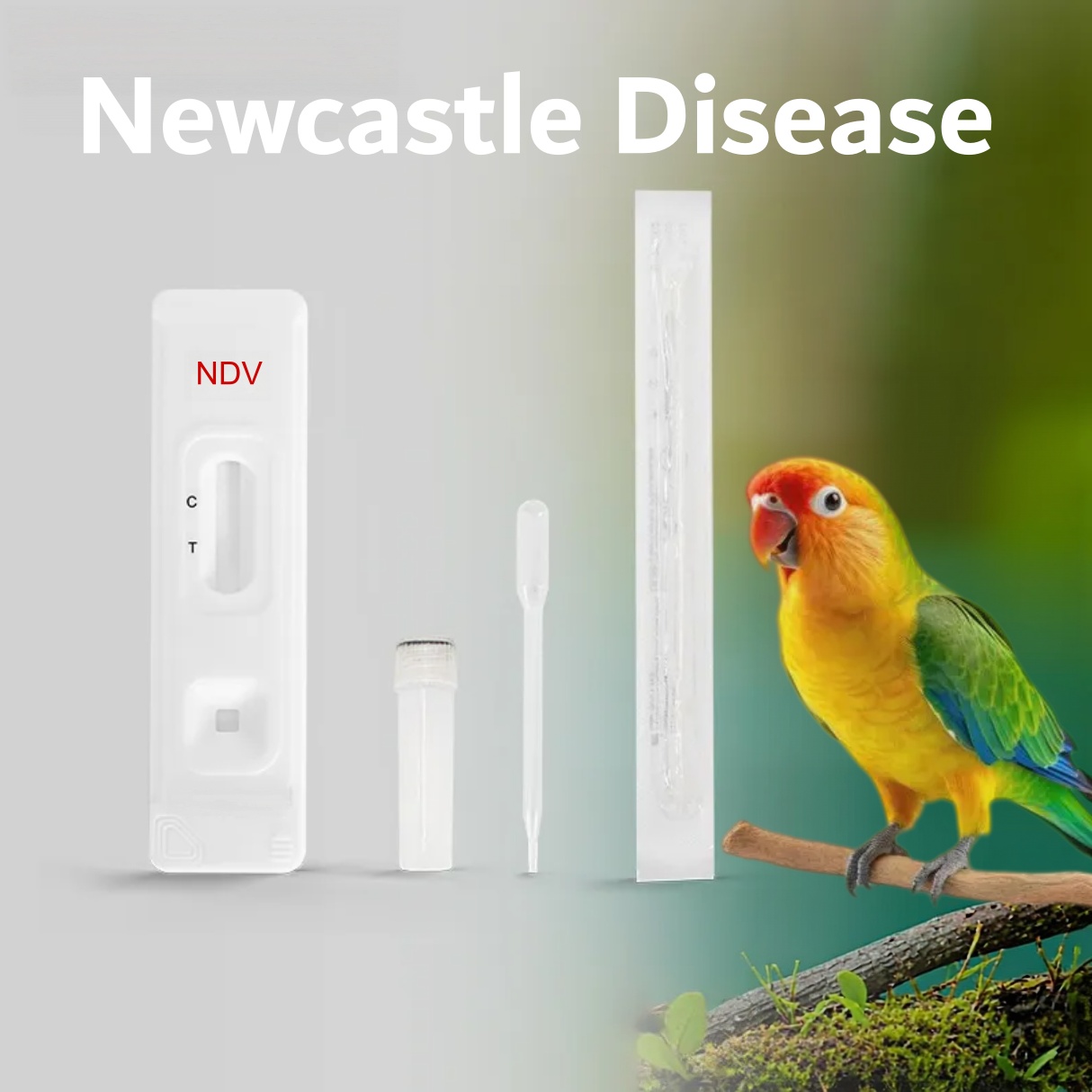
Newcastle Disease Virus (NDV) Antigen Rapid Test Kit is a veterinary diagnostic test designed for the rapid detection of Newcastle Disease Virus (NDV) antigens in poultry and pet bird samples. Based on lateral flow immunochromatographic technology, this rapid test provides a fast and convenient solution for screening Newcastle disease infection in birds, including chickens, pigeons, and other avian species.Newcastle disease is a highly contagious viral disease caused by Newcastle Disease Virus (NDV), which can affect respiratory, digestive, and nervous systems in birds. Early detection helps veterinarians and poultry professionals implement effective disease monitoring and biosecurity measures.
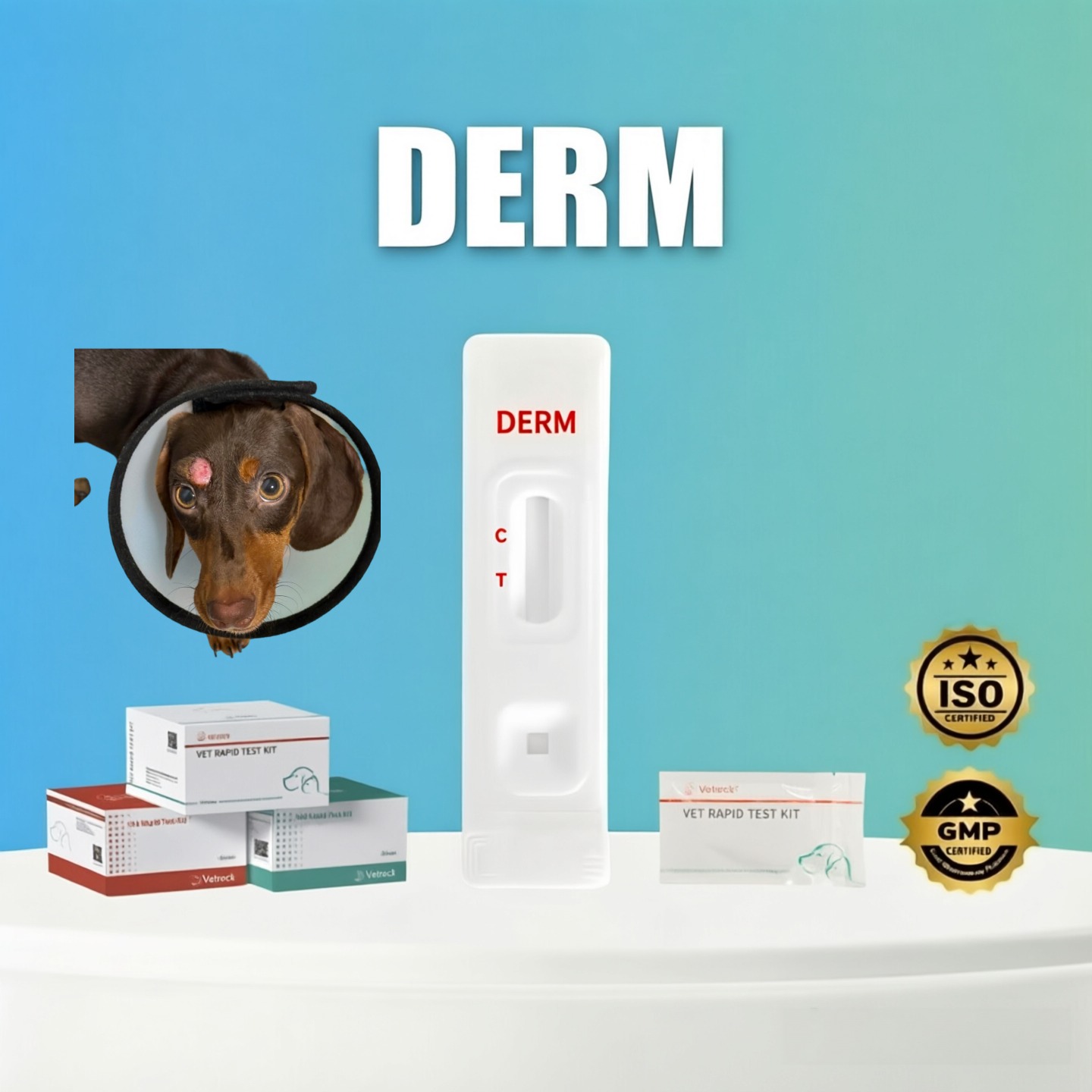
Accurate 15-minute Veterinary Dermatophytosis Diagnostic Kit for clinics. Detects Microsporum and Trichophyton using advanced Alpha-1,6-Mannan technology. Non-invasive & easy to interpret. Advantages Clinic-Ready Veterinary Ringworm Test Professional Veterinary Fungal Diagnostic Kit ISO 13485 Certified Rapid Test Manufacture
Leave A Message
Scan to Wechat :

Scan to WhatsApp :

Hi! Click one of our members below to chat on