Leave A Message
If you are interested in our products and want to know more details,please leave a message here,we will reply you as soon as we can.

Production Features
| Product Name | Canine Parvovirus-Coronavirus Antigen Combo Test |
| Target | Canine parvovirus antigen and canine coronavirus antigen |
| Specimen | Feces |
| Pack Size | 1/5/10/20 tests / kit |
| Shelf Life | 24 months |
| Storage Condition | Store at 2-30°C. Do not freeze. |
| Test Method | Immunochromatography | ||
| Specimen | Canine Feces | Assay Time | 10 min |
| Sensitivity | CPV:97.59% vs. RT-PCR CCV:94.94% vs. PCR |
Specificity | CPV:100.00% vs. RT-PCR CCV:99.16% vs. PCR |
| Storage | 2-30°C | Shelf Life | 24 months |
| MOQ | 30 Box=300 Pcs | ||
Store the test kit at 2–30°C and keep it away from direct sunlight until the expiration date (24 months) indicated on the package label.
After opening the foil pouch, the test cassette should be used immediately. Do not use the test cassette if it has been exposed to air for more than one hour.
One Sample, Two Critical Viral Diseases
Simultaneous detection improves diagnostic efficiency.
Supports Early Isolation Decisions
Rapid identification helps reduce disease transmission.
Essential for Puppy Health Management
Particularly valuable for:
Fast Clinical Decision-Making
Results available during consultation.

As a professional veterinary rapid test manufacturer, we provide:
A: Both Canine Parvovirus (CPV) and Canine Coronavirus (CCV) cause severe gastrointestinal symptoms (such as vomiting, diarrhea, and bloody stool) that look highly similar. Diagnosis cannot be made by clinical signs alone. A combo test allows for differential diagnosis at a minimal extra cost, confirming or ruling out co-infections (which usually lead to more severe disease and a higher mortality rate) to establish a baseline for treatment.
A: It primarily detects canine feces or vomit.
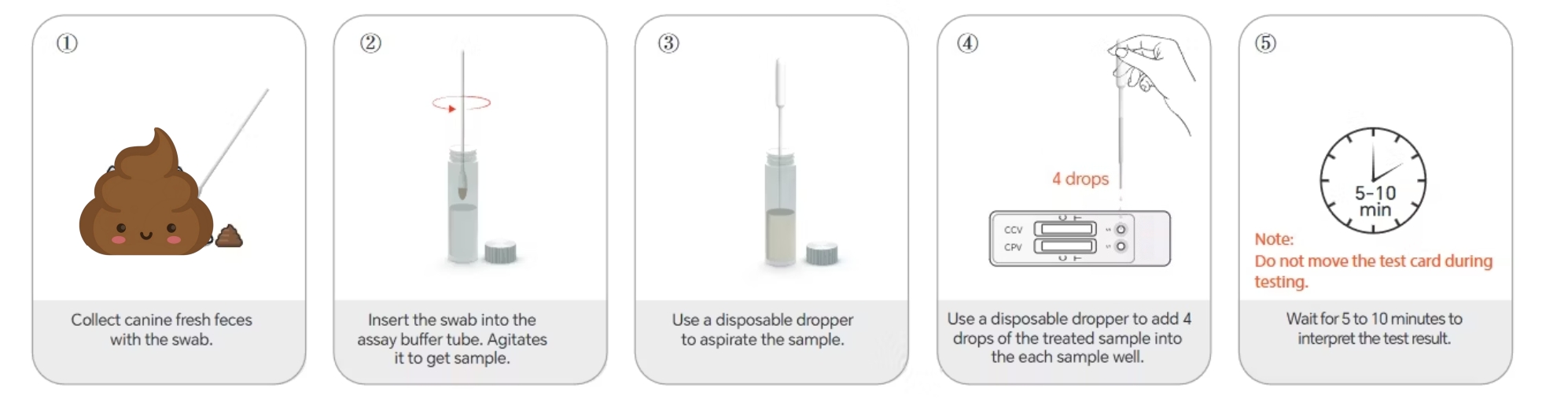
A: Use the provided swab to collect an appropriate amount of feces or vomit, then mix it completely into the tube containing the assay buffer. Use the dropper to extract the supernatant, and add 3–4 drops into the sample wells of both the CPV and CCV test windows respectively.
A: The optimal time to read results is usually within 5–10 minutes. After 15 minutes, the color of the bands may change due to over-chromatography, rendering the results invalid for clinical reference.
A:Negative (Not Infected): Only the Control line (C line) appears; the Test line (T line) does not show any color.
Positive (Infected): Both the C line and T line appear (even a very faint T line is considered weak positive).
Invalid: The C line fails to appear, indicating an operational error or kit failure. The test must be repeated with a new device.
A: Yes, it can. Within 3–14 days after receiving a modified live virus vaccine (such as a 5-way or 8-way canine vaccine), dogs may temporarily shed the virus in their feces. Testing with a highly sensitive antigen kit during this window can lead to a weak positive or positive result. It is generally recommended to avoid screening within 2 weeks of vaccination unless the dog exhibits clear gastrointestinal symptoms.
A: No, it does not. Rapid test kits have a detection limit (window period risk). If the dog is in the early stages of infection or a low-shedding period, the viral antigen concentration in the feces may be below the detection threshold, leading to a "false negative." If the dog shows severe and persistent symptoms, it should be taken to a vet immediately for a PCR (nucleic acid) test, even if the rapid test is negative.
A: They must be stored in a cool, dry environment at 2–30°C and should never be frozen. Bring the kit to room temperature before use, and use it within 1 hour after opening the aluminum foil pouch to prevent moisture damage.
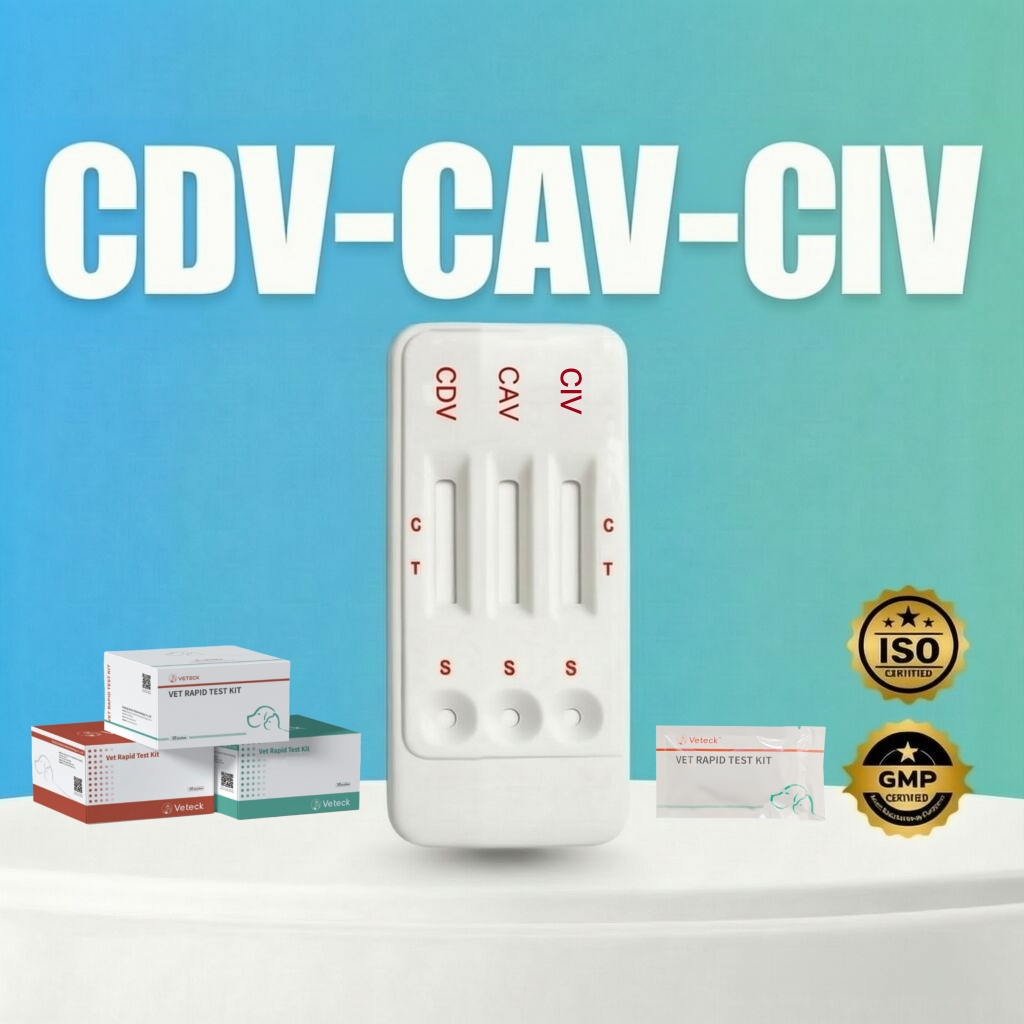
The Canine Distemper Virus–Adenovirus–Influenza Virus Antigen Combo Test is a rapid veterinary diagnostic assay designed for the simultaneous detection of Canine Distemper Virus Antigen (CDV Ag), Canine Adenovirus Antigen (CAV Ag), and Canine Influenza Virus Antigen (CIV Ag) in dogs. This test is ideal for veterinary clinics, animal hospitals, diagnostic laboratories, breeding kennels, shelters, and canine respiratory disease screening programs. Production Features Improve treatment planning Reduce disease transmission in kennels and shelters Protect high-risk puppies and unvaccinated dogs Enhance outbreak management programs
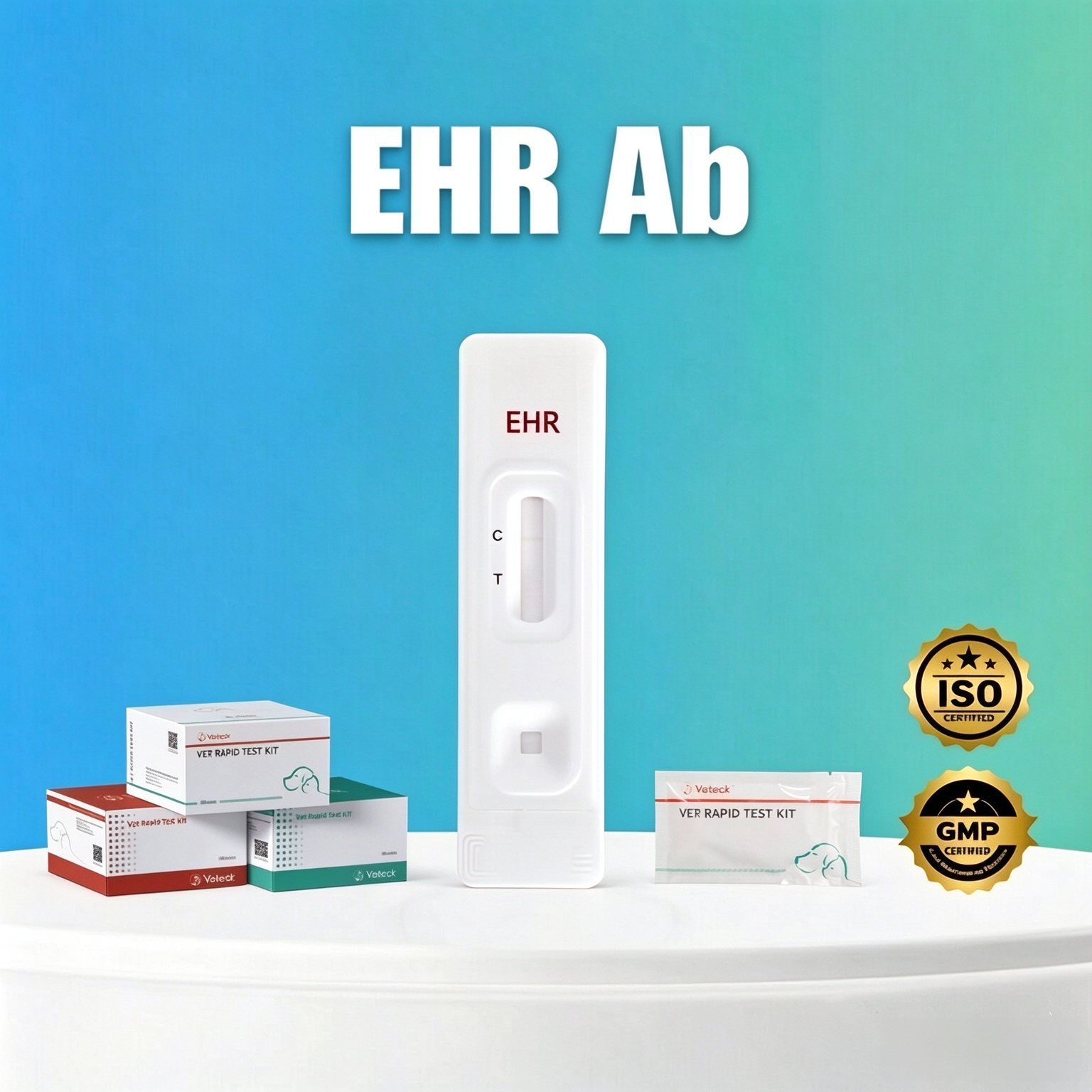
The Canine Ehrlichia canis Antibody Rapid Test Kit is a veterinary diagnostic test designed for the qualitative detection of Ehrlichia canis antibodies (E. canis Ab) in canine whole blood, serum, or plasma samples. Based on lateral flow immunochromatographic technology, the test provides rapid and convenient screening of Ehrlichia canis infection exposure in dogs. Results can be obtained within 5–10 minutes, helping veterinarians quickly assess potential tick-borne disease risks and support timely clinical decisions. The product is suitable for veterinary clinics, animal hospitals, breeding facilities, and canine health screening centers. With simple operation and no requirement for complex laboratory equipment, it provides an effective point-of-care diagnostic solution for canine tick-borne diseases. Production Features High Sensitivity and Specificity Reliable Diagnostic Performance Easy-to-Use Veterinary Rapid Test
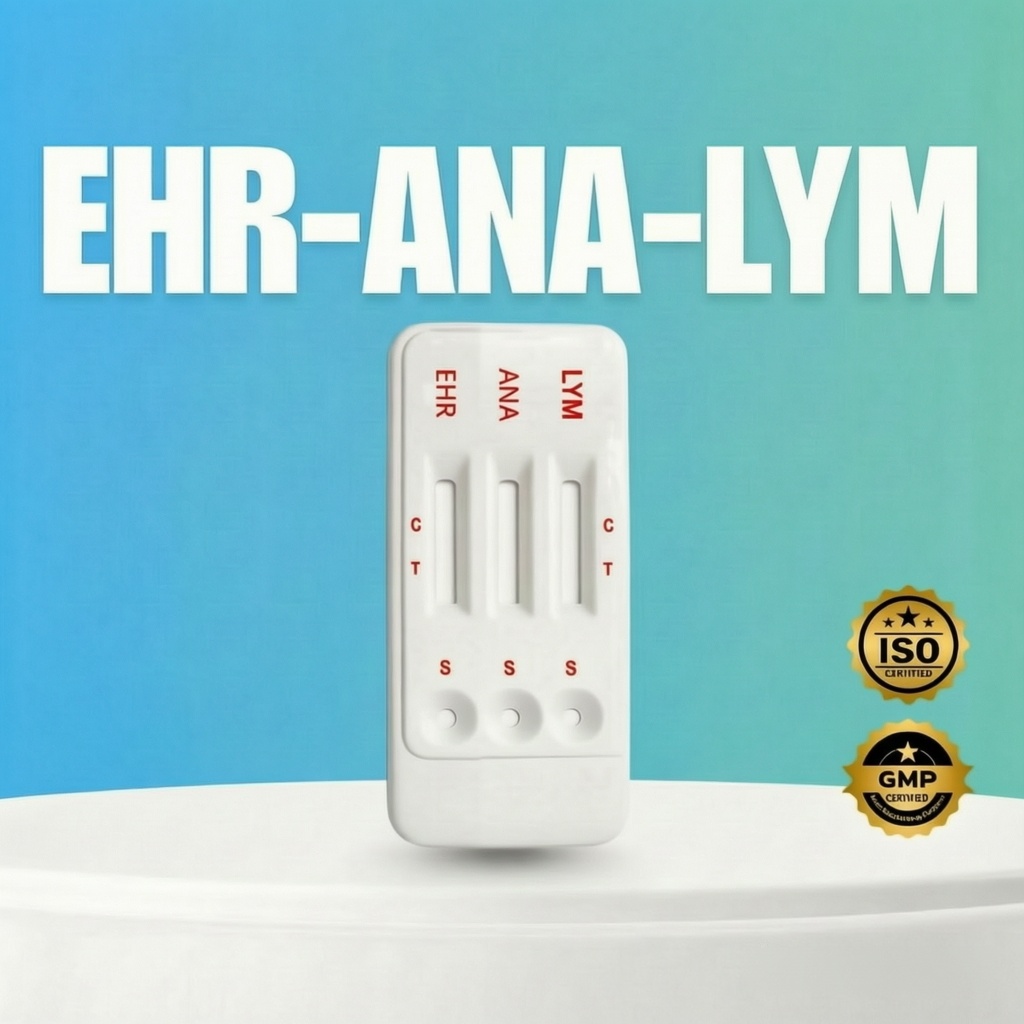
The Canine Ehrlichia-Anaplasma-Lyme Disease Ab Combo Test is a rapid immunochromatographic assay is mainly about the qualitative detection of antibodies against Ehrlichia canis (EHR Anaplasma spp. (ANA) Borrelia burgdorferi (Lyme Disease) in canine whole blood, serum, or plasma samples. Rapid Tick-Borne Disease Antibody Test diagnostic test helps veterinarians quickly identify exposure to common tick-borne pathogens, supporting early diagnosis, treatment decisions, and disease management. Production Features Simultaneous DetectionMultiple Sample TypesEconomical and portableReduce stress
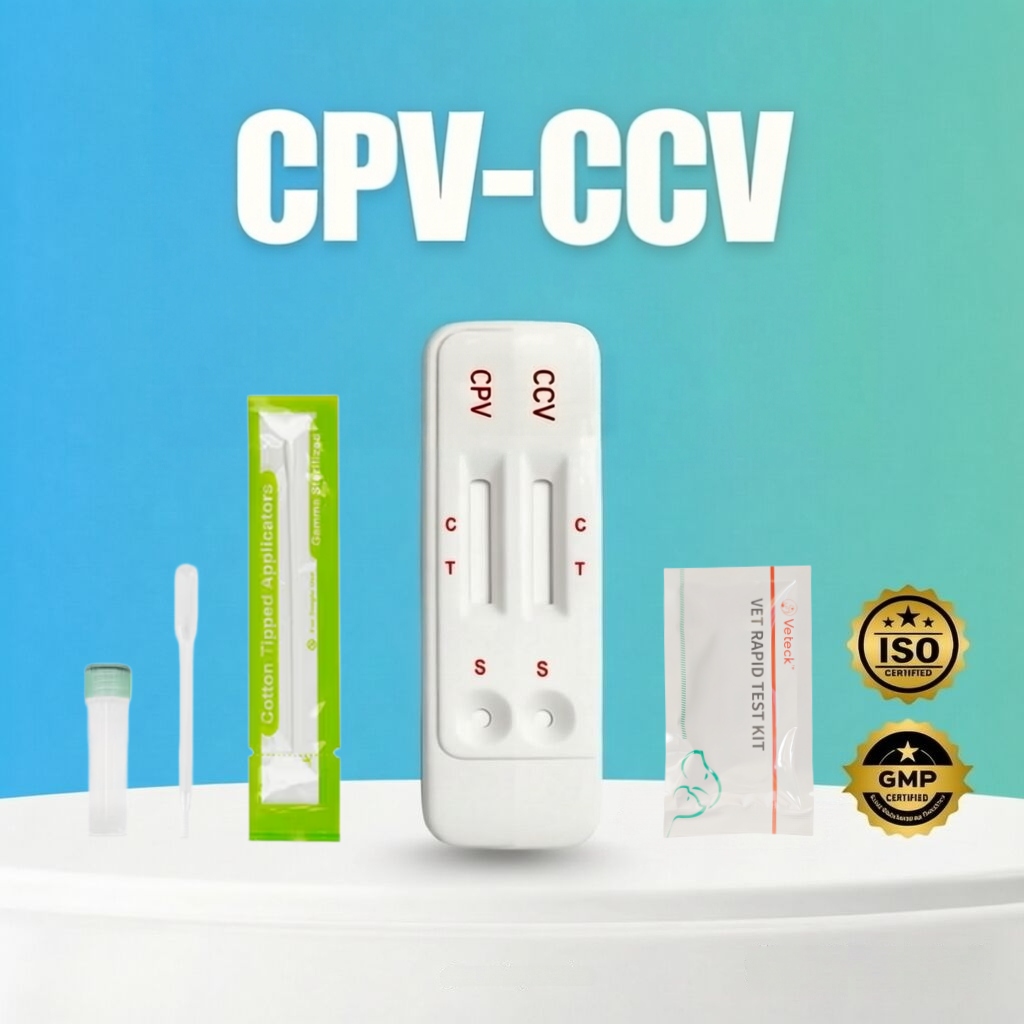
Rapid Detection of Canine Parvovirus and Canine Coronavirus in Dogs,The Canine CPV-CCV Ag Combo Test is a rapid veterinary diagnostic test designed for the simultaneous detection of Canine Parvovirus Antigen (CPV Ag) and Canine Coronavirus Antigen (CCV Ag) in canine fecal samples. Utilizing advanced lateral flow immunochromatographic technology, this canine diarrhea rapid test provides accurate results within 5–10 minutes, helping veterinarians quickly identify two of the most common viral causes of acute gastroenteritis in puppies and dogs. Production Features Reduced waiting time Faster treatment initiation Improved patient management
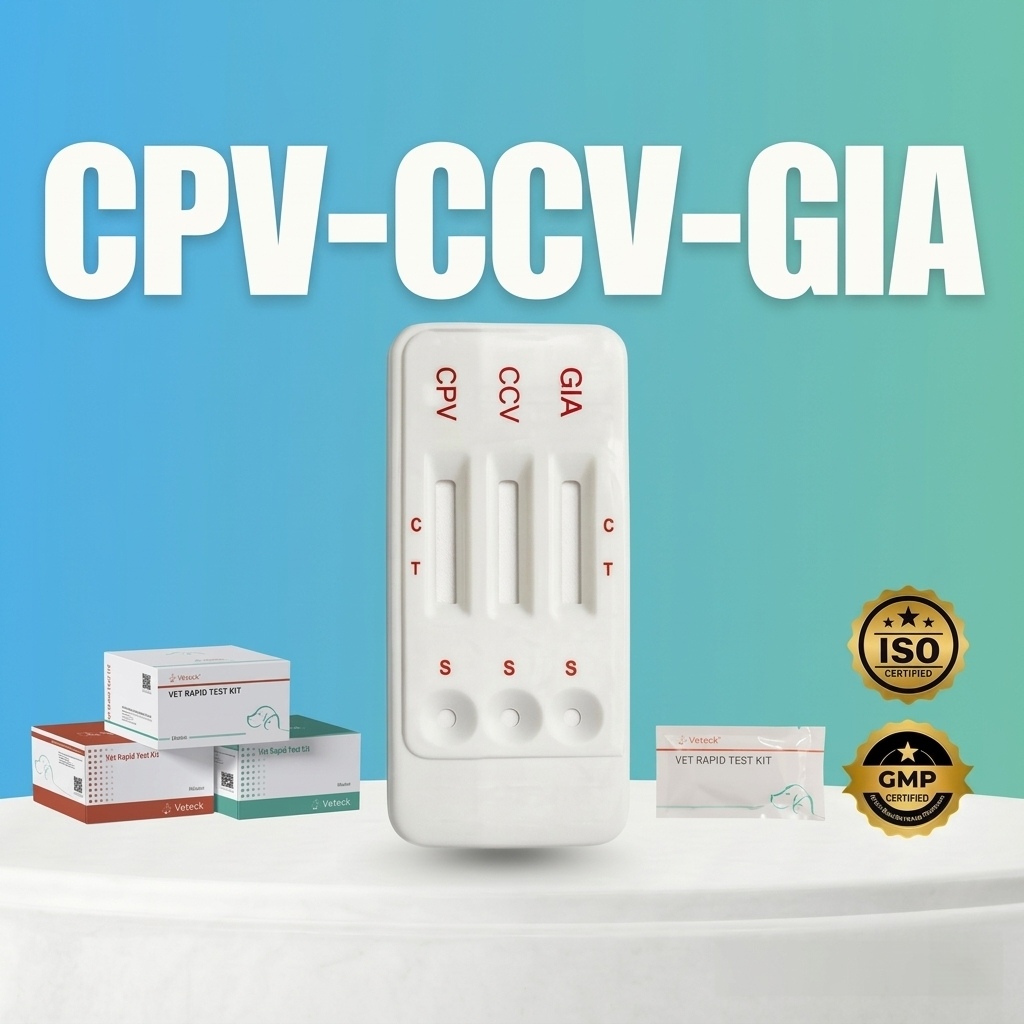
The CPV/CCV/GIA Canine 3-in-1 Rapid Test is a veterinary rapid diagnostic test designed for the qualitative detection of Canine Parvovirus (CPV) antigen, Canine Coronavirus (CCV) antigen, and Giardia antigen in canine fecal samples.With three test targets in one convenient test device, this dog rapid test helps veterinarians and animal healthcare professionals quickly screen dogs showing gastrointestinal symptoms such as diarrhea, vomiting, loss of appetite, dehydration, and abdominal discomfort. Production Features Simultaneous DetectionMultiple Sample TypesEconomical and portable
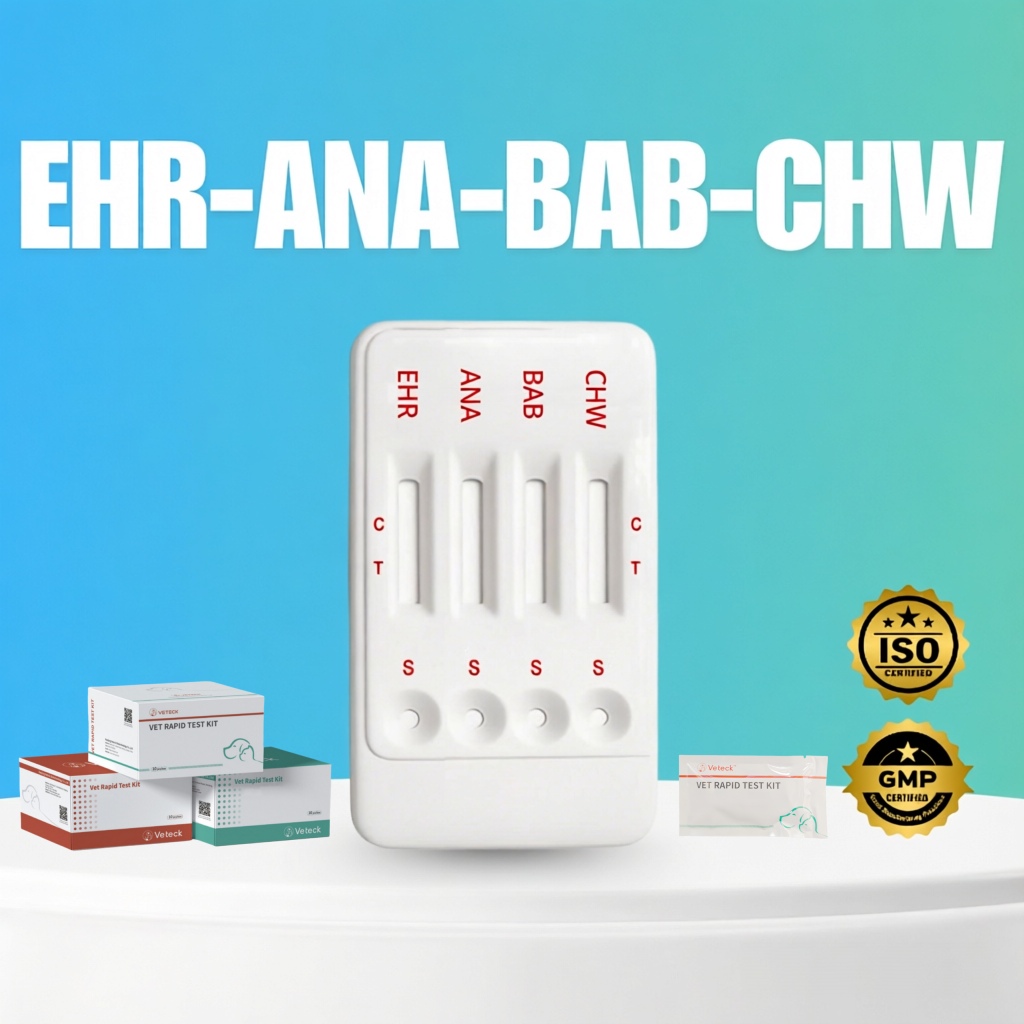
The Canine Ehrlichia-Anaplasma-Babesia-Heartworm Combo Test enables the rapid differential diagnosis of these pathogens by detecting antibodies specific to Ehrlichia canis, Anaplasma spp., Babesia spp., and antigens of Dirofilaria immitis in canine serum, plasma, or whole blood. This process requires only a single specimen collection and sample preparation, supporting for prompt and effective treatment thenafter. Production Features Detectable in trace amountsHigh efficiency, low costEconomical and portableReduce stress
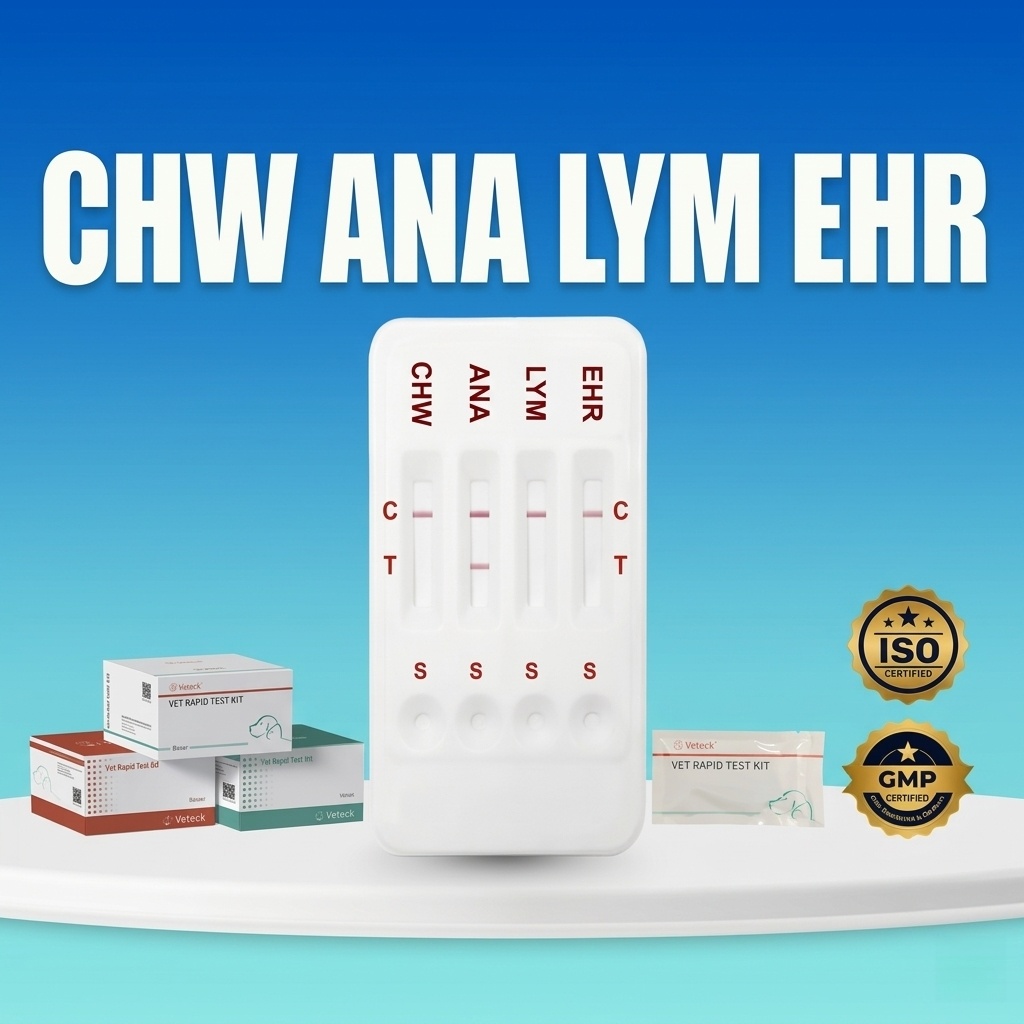
Canine Ehrlichia Babesia Anaplasma Heartworm Combo Test Kit is a high-sensitivity lateral flow immunoassay for the simultaneous qualitative detection of E.canis antibodies, Babesia gibsoni antibodies, Anaplasma antibodies, and Heartworm antigens in canine serum, plasma, and whole blood. Backed by full international certifications (CE/ISO), it is the ultimate cost-effective solution for high-volume veterinary diagnostic screening. Advantages Clinical Accuracy (99%+) Factory-Direct Pricing Flexible Ultra-Low MOQ
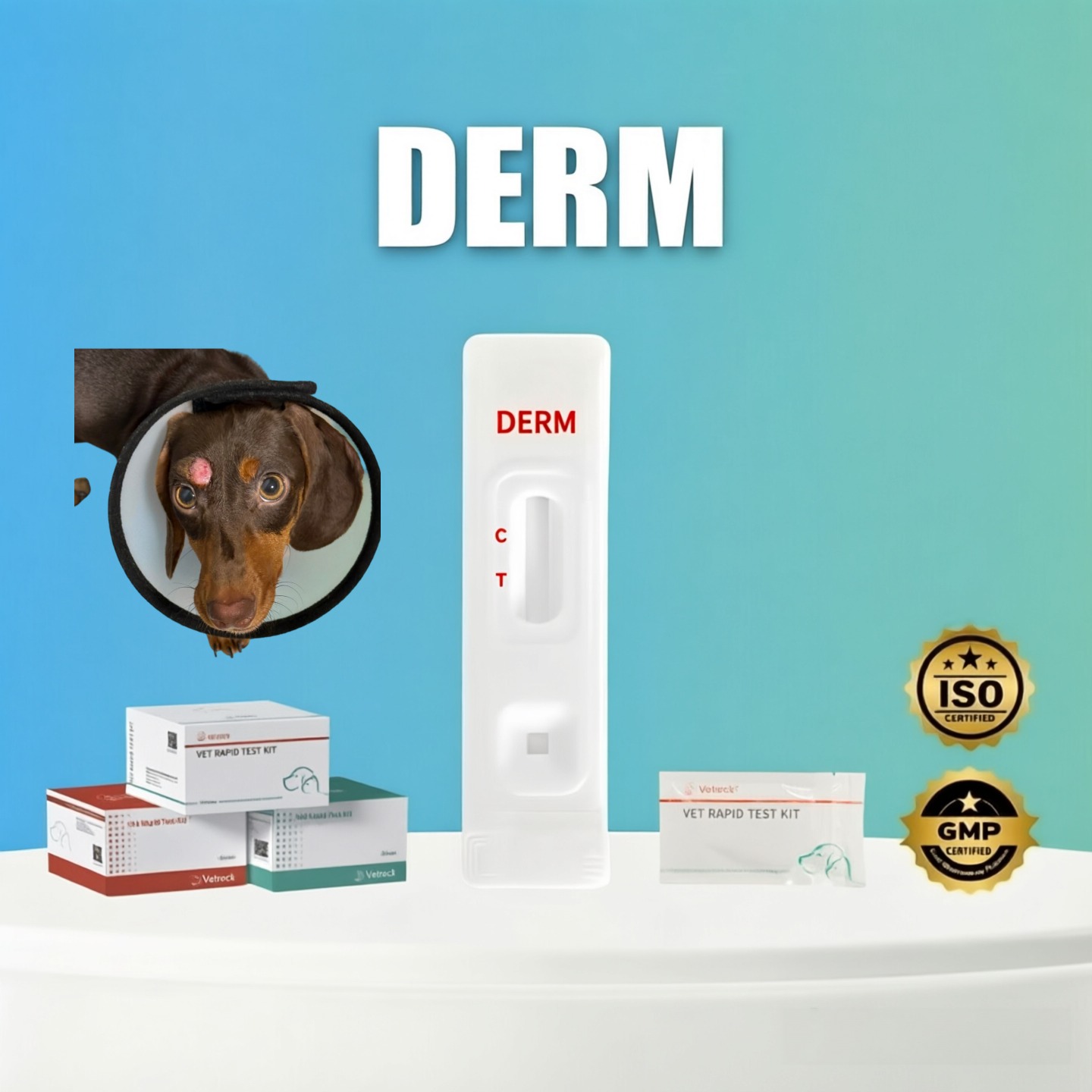
Accurate 15-minute Veterinary Dermatophytosis Diagnostic Kit for clinics. Detects Microsporum and Trichophyton using advanced Alpha-1,6-Mannan technology. Non-invasive & easy to interpret. Advantages Clinic-Ready Veterinary Ringworm Test Professional Veterinary Fungal Diagnostic Kit ISO 13485 Certified Rapid Test Manufacture
Leave A Message
Scan to Wechat :

Scan to WhatsApp :

Hi! Click one of our members below to chat on