Leave A Message
If you are interested in our products and want to know more details,please leave a message here,we will reply you as soon as we can.

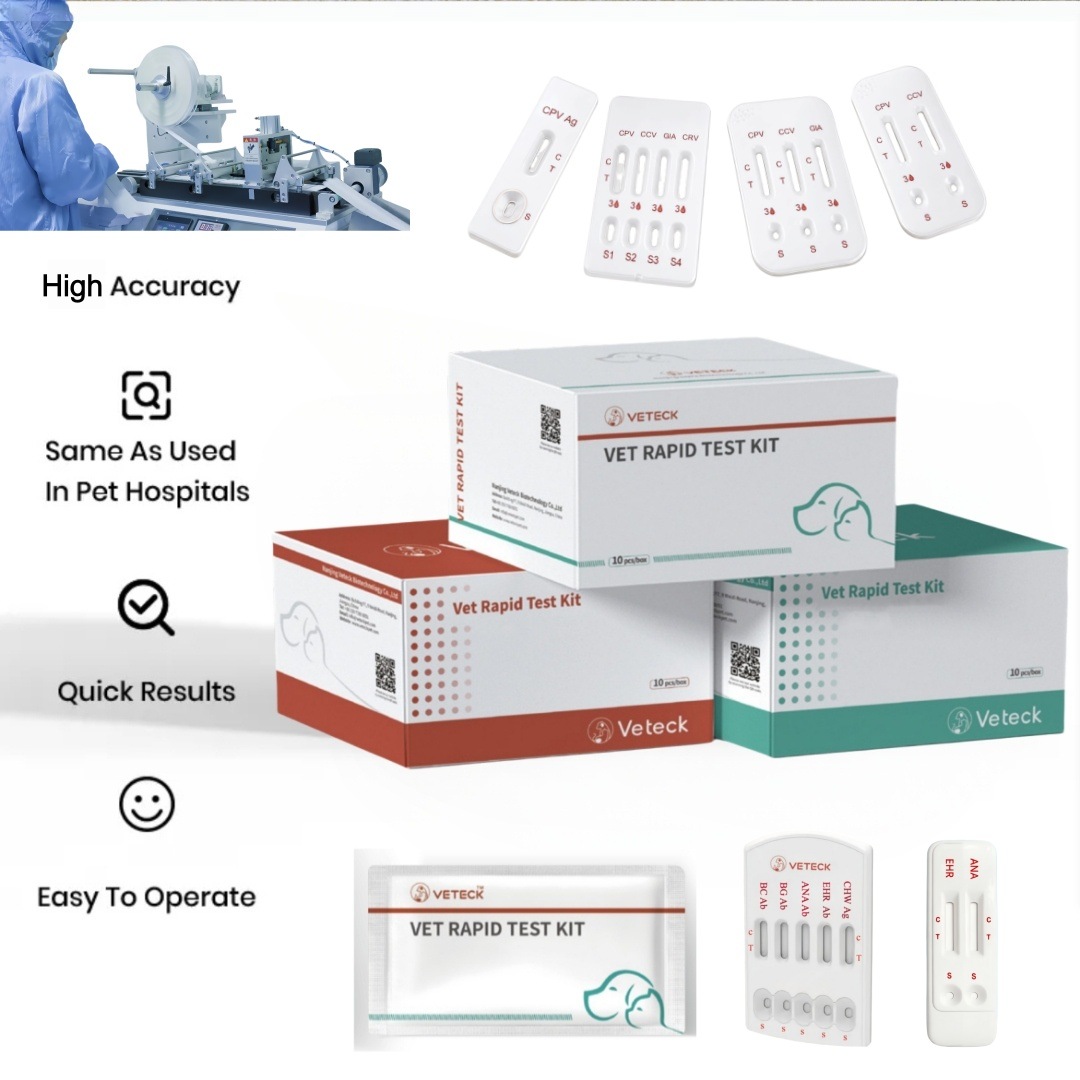
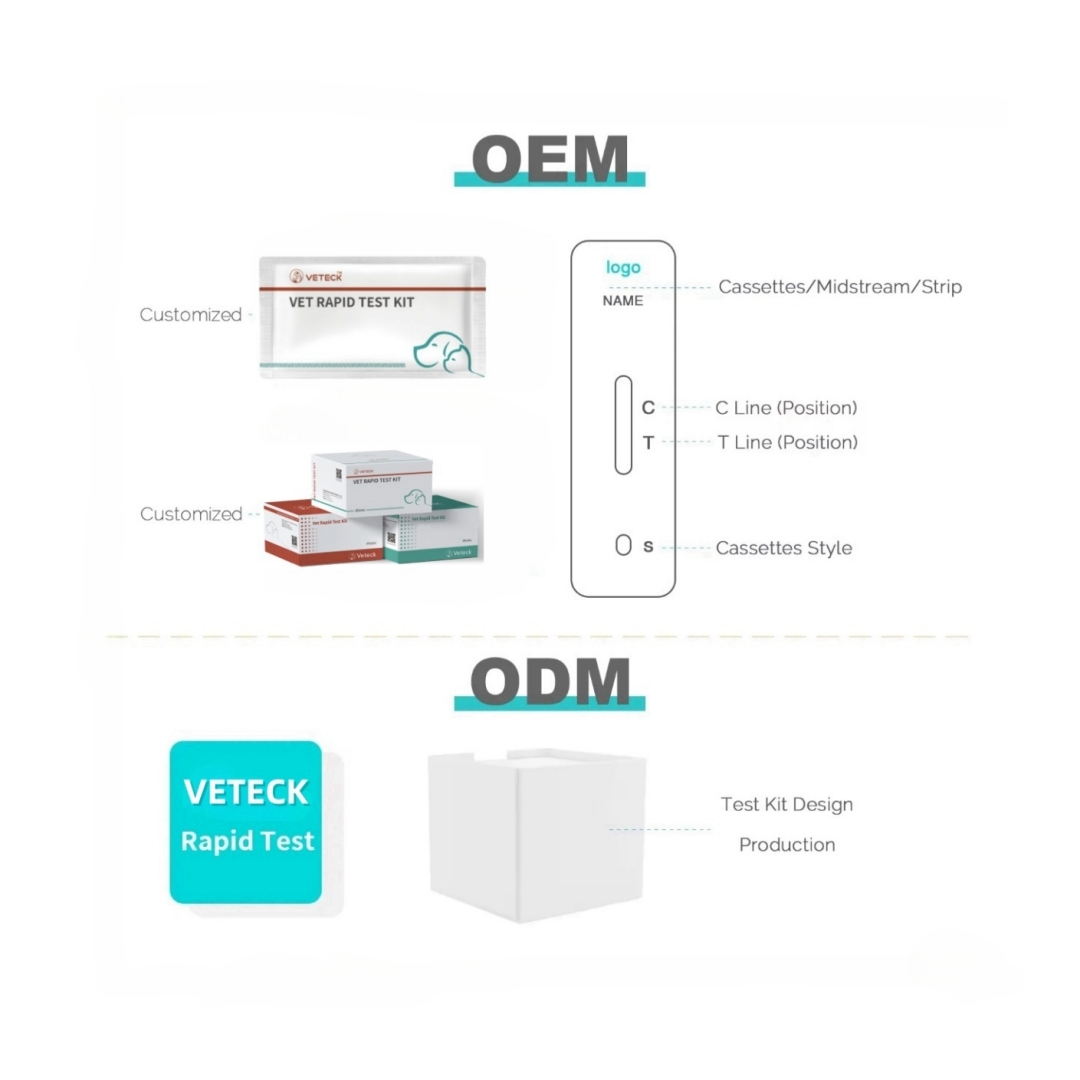
Premium 3-in-1 Feline FPV-FCoV-Giardia Ag Combo Rapid Test Kit. Differentiate feline diarrhea causes in 5-10 mins. High accuracy. Wholesale & OEM available.
Feline digestive symptoms like acute diarrhea, watery stool, vomiting, and dehydration are extremely common in veterinary emergency clinics, shelters, and catteries. Because Feline Panleukopenia Virus (FPV), Feline Coronavirus (FCoV), and Giardia present almost identical clinical enteritis profiles, running separate tests delays quarantine and driving up veterinary billing costs.
| Product Name | Fpv Fcov Gia Ag Test Kit |
| Specimen | Feline's feces or vomit specimen. |
| Assay Time | 5-10 minutes |
| MOQ | 300 test kits |
| Delivery time | 1 week after Get payment |
| Packing | 10 test kits/Packing box |
| Storage Temperature | 2-30°C,DO NOT FREEZE. Do not store the test kit in direct sunlight. |
| Shelf Life | 24 months |
| Production Capacity | 1 Million/Day |
| Payment | T/T, Western Union, Paypal |
| 10T Kit | 1T Kit |
| • 10 FPV-FCoV-GIA test cards • 10 Vials of assay buffer • 10 Disposable droppers • 10 Specimen collection swabs • 1 Instruction for use |
• 1 FPV-FCoV-GIA test card • 1 Vial of assay buffer • 1 Disposable dropper • 1 Specimen collection swab • 1 Instruction for use |
| Materials Required but Not Provided: • Timer |
|
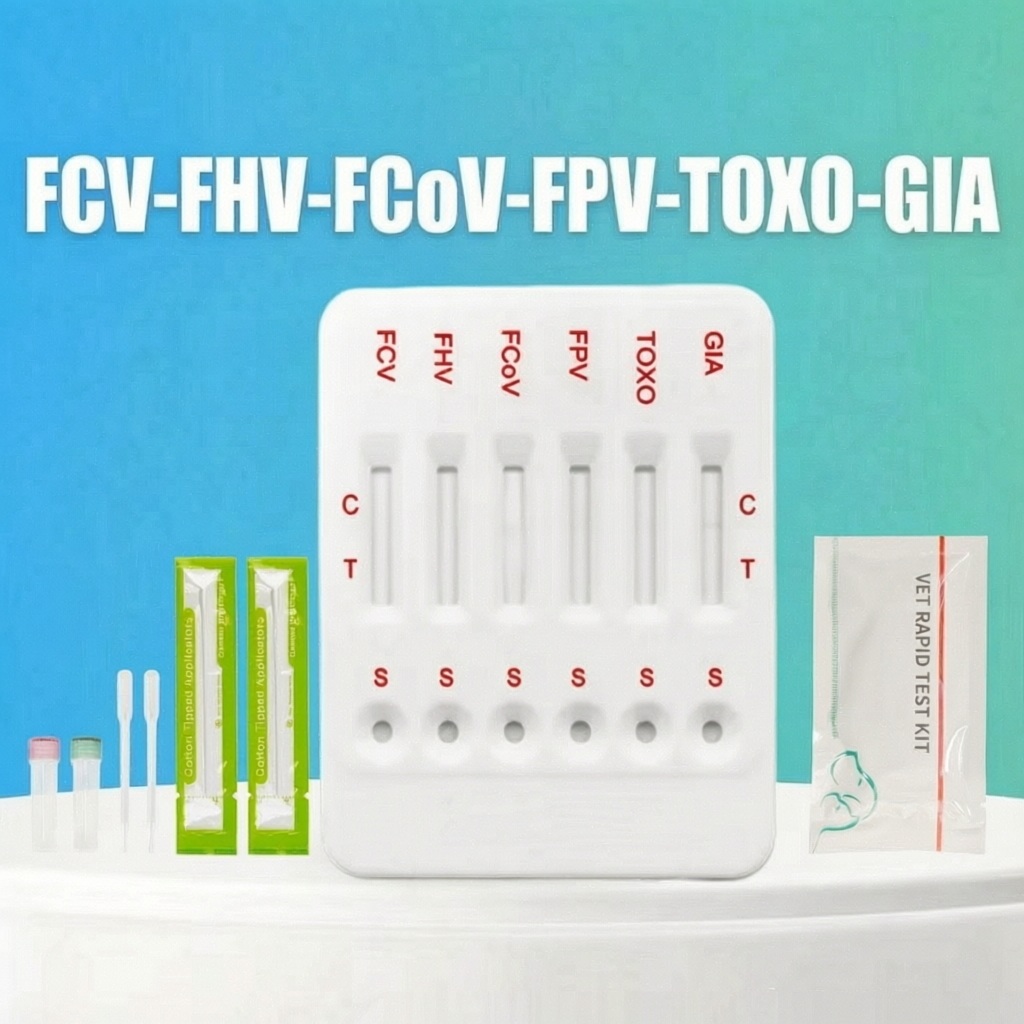
Simultaneous Detection of 6 Feline Infectious Diseases The Feline Comprehensive Infectious Disease 6-in-1 Rapid Test Kit is an advanced veterinary diagnostic assay designed for the simultaneous detection of six of the most clinically important feline infectious diseases. Using lateral flow immunochromatographic technology, this multi-parameter rapid test helps veterinarians quickly identify common viral, parasitic, and immunodeficiency-related infections in cats using a simple and convenient testing procedure.Results are available within 5–10 minutes, enabling rapid clinical decision-making, disease management, and infection control.
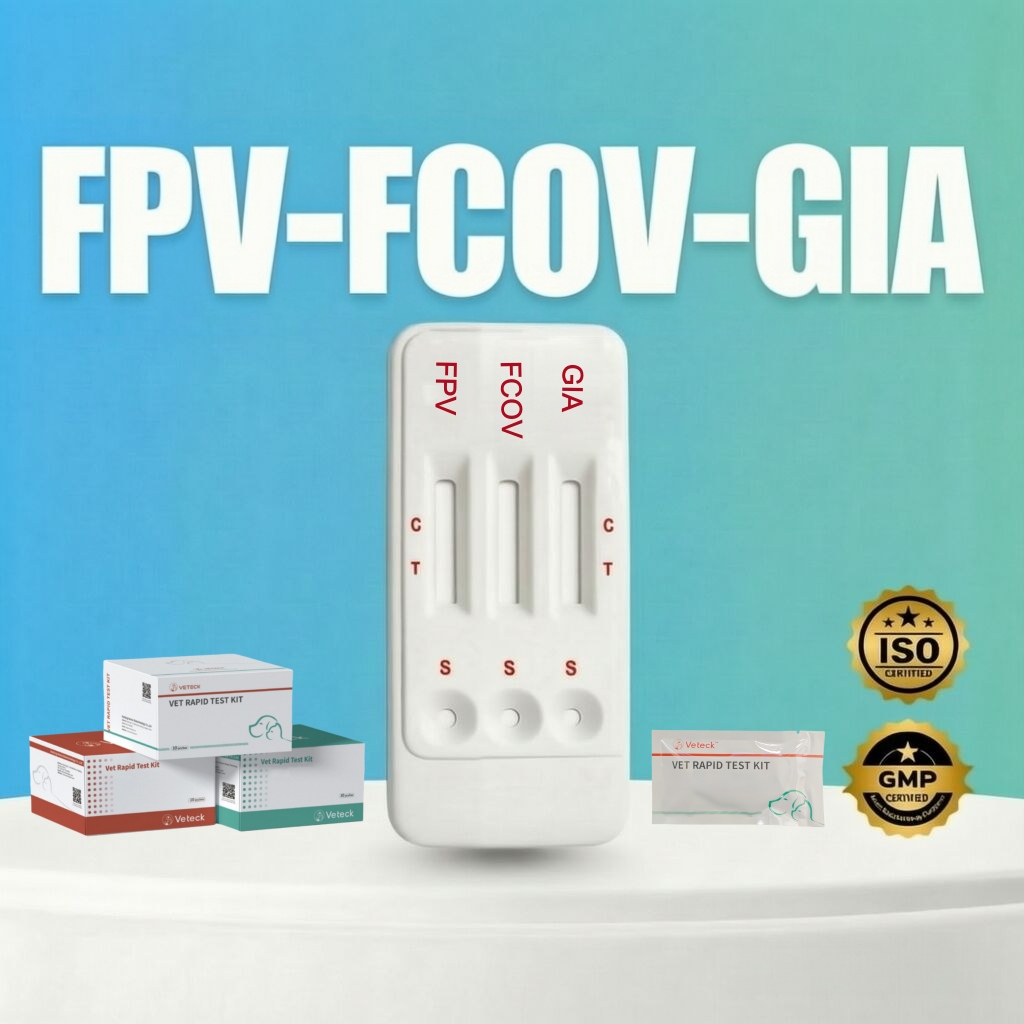
Our Feline FPV/FCoV/Giardia 3-in-1 Antigen Rapid Combo Test Kit provides immediate clarity. With a single fecal sample preparation, veterinarians can simultaneously identify lethal viral infections (FPV), potential FIP mutation foundations (FCoV), or stubborn protozoan parasites (Giardia), securing appropriate isolation and supportive care paths within minutes. Advantages Stop Shelter Outbreaks Optimized Clinical Workflow High-Margin Product Line
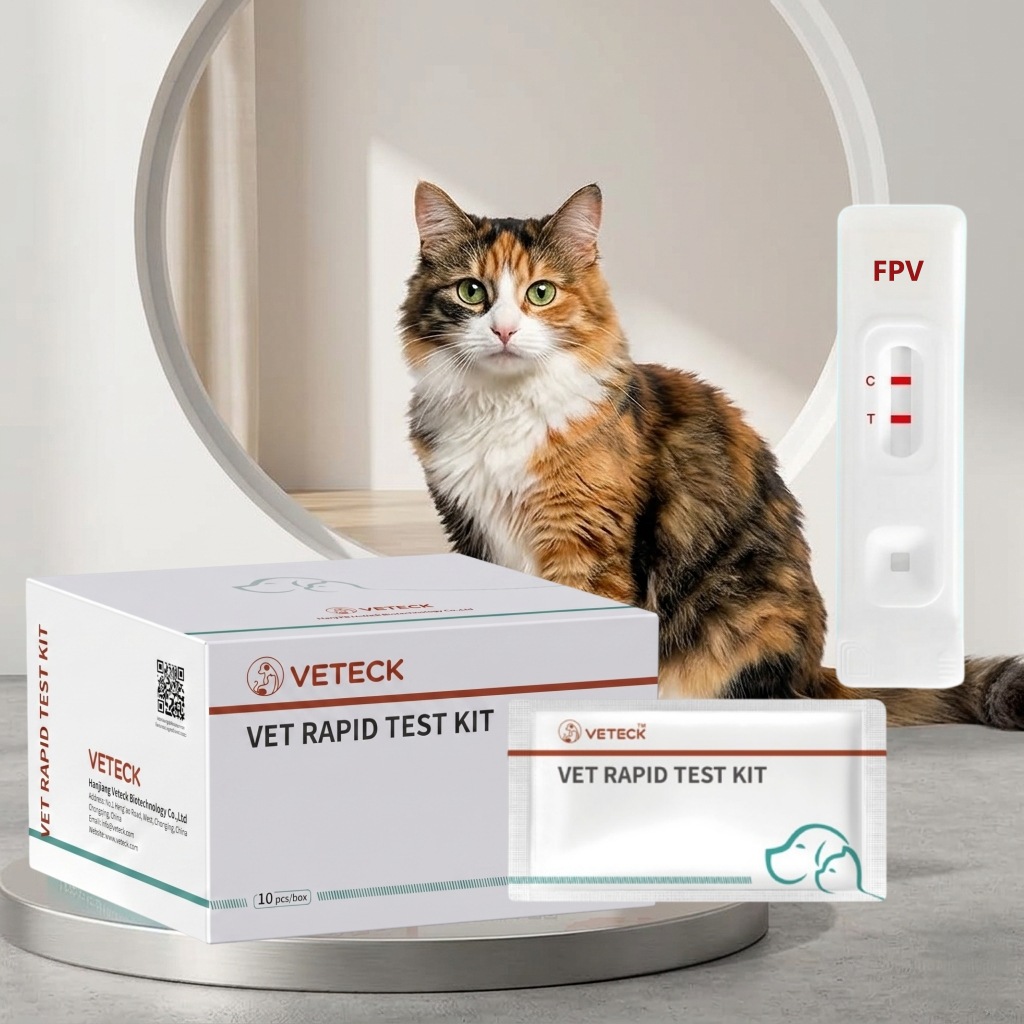
Feline Panleukopenia Virus (FPV), known as feline distemper, is the #1 fatal infectious threat to kittens worldwide. Early, precise diagnosis saves lives and secures cattery reputation. As a premium veterinary rapid test kit manufacturers in china, we provide professional-grade POCT solutions to help your business scale effortlessly. Production Features Same-visit testing Faster treatment decisions Direct Factory Pricing & Anti-Price War
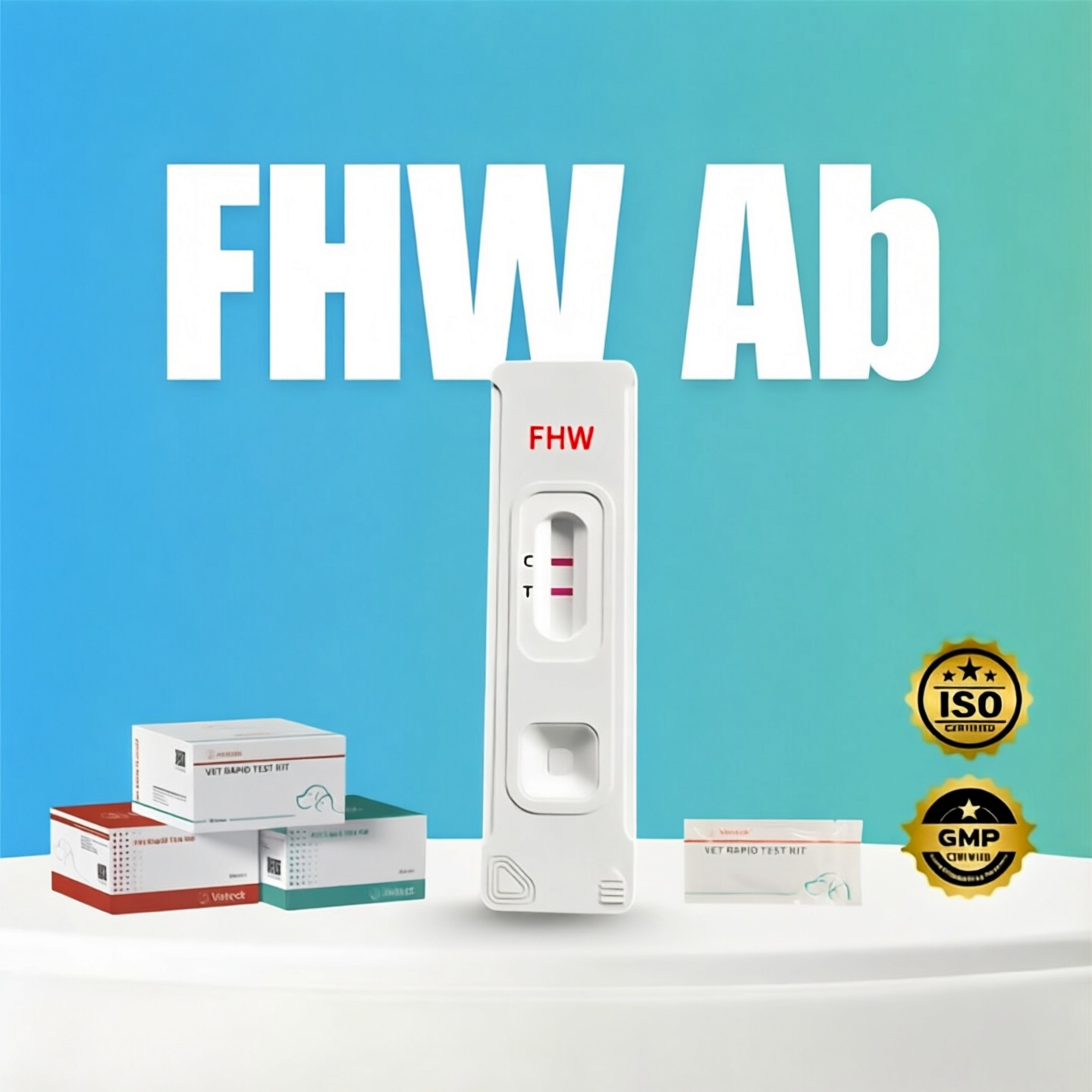
The Feline Heartworm Antibody Test is a lateral flow immunochromatographic assay designed for detection of Dirofilaria immitis antibodies (FHW Ab) in feline serum, plasma, or whole blood.
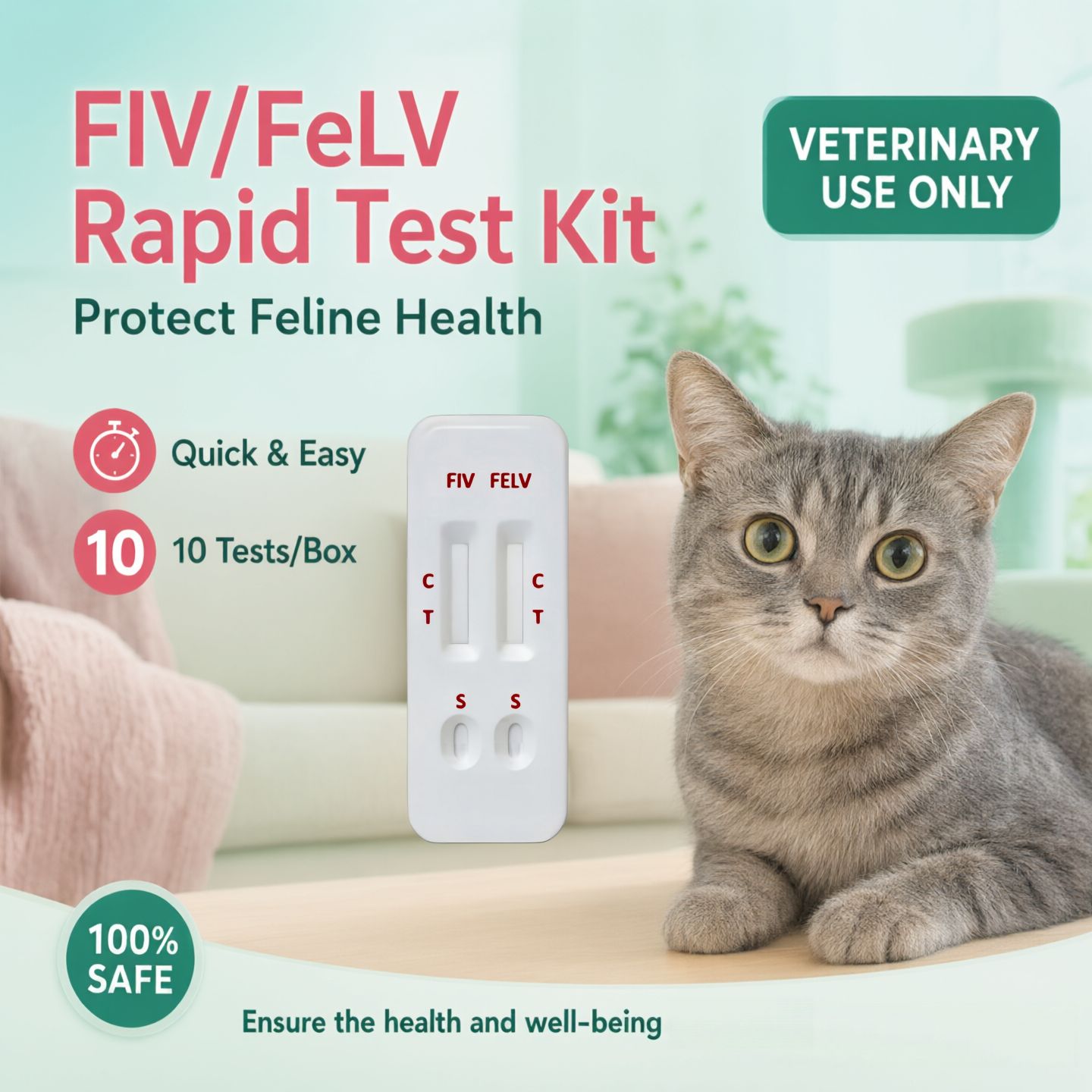
The FIV Ab / FeLV Ag Combo Test is a lateral flow immunochromatographic assay designed for the qualitative detection of Feline Immunodeficiency Virus antibodies (FIV Ab) and Feline Leukemia Virus antigen (FeLV Ag) in feline serum, plasma, or whole blood. As a crucial tool for routine feline wellness exams, shelter intake, and pre-vaccination screening, this combo kit helps veterinarians make critical decisions on the spot.
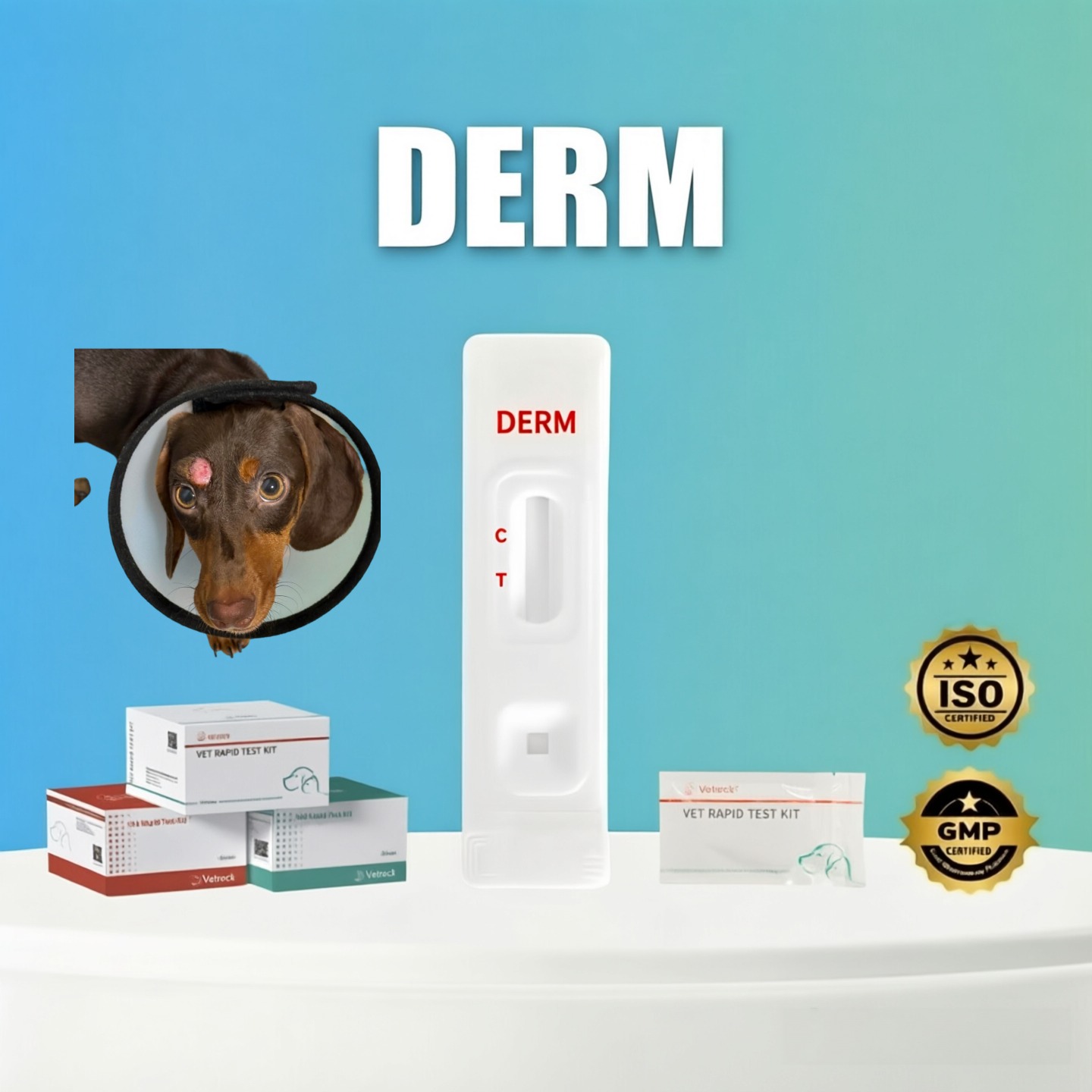
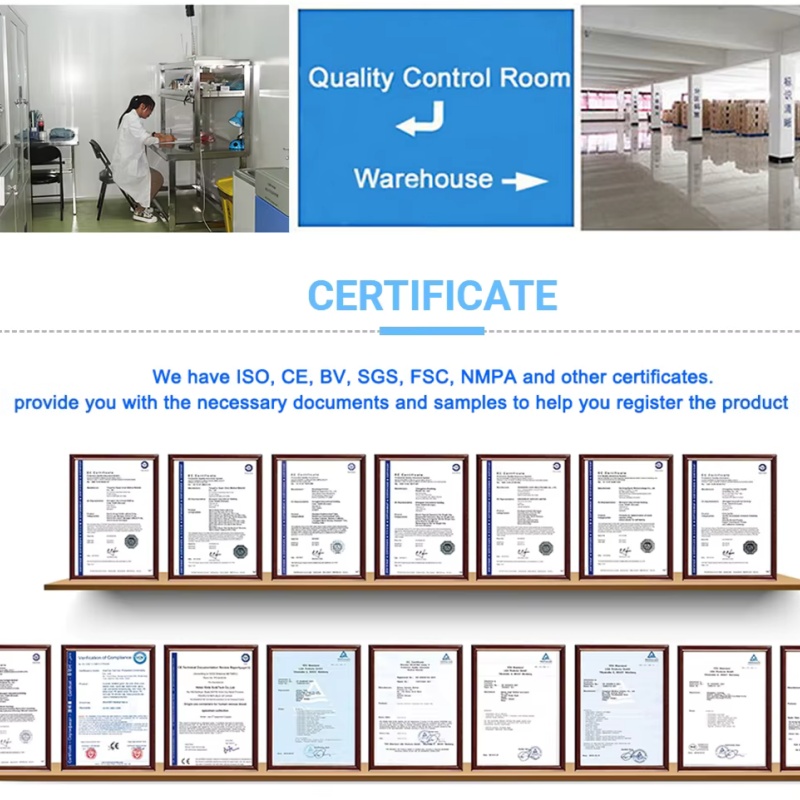
Accurate 15-minute Veterinary Dermatophytosis Diagnostic Kit for clinics. Detects Microsporum and Trichophyton using advanced Alpha-1,6-Mannan technology. Non-invasive & easy to interpret. Advantages Clinic-Ready Veterinary Ringworm Test Professional Veterinary Fungal Diagnostic Kit ISO 13485 Certified Rapid Test Manufacture
Leave A Message
Scan to Wechat :

Scan to WhatsApp :

Hi! Click one of our members below to chat on