

Can Dogs and Cats Get COVID-19? Understanding Pet Respiratory Diseases and Veterinary Rapid Diagnostic Testing

Deeply cultivating precise vet diagnostics, empowering smart medical services
Protecting Your Pets During Infectious Disease Outbreaks
Pets are important members of our families. When infectious diseases spread around the world, many pet owners ask:
“Can my dog or cat get infected?”
“Can my pet transmit diseases to my family?”
“How can I protect my pet’s health?”
These concerns are shared by millions of pet owners worldwide.
Although COVID-19 mainly affects humans, research has shown that some animals, including dogs and cats, can occasionally become infected after close contact with infected people.
More importantly, COVID-19 reminds us that pet respiratory diseases and infectious diseases require early awareness, prevention, and timely testing.
Can Dogs and Cats Get COVID-19?
Yes, dogs and cats can become infected with COVID-19 in rare situations.
Most reported cases occurred when pets had close and prolonged contact with people infected with the virus.
However:
- Pet infections are uncommon.
- Most infected pets show mild or no symptoms.
- There is currently no strong evidence that dogs and cats play an important role in spreading COVID-19 to humans.
Pet owners should focus on good hygiene practices and regular health monitoring.
Common Signs of Respiratory Infection in Dogs and Cats
Respiratory diseases are among the most common health problems affecting companion animals.
Whether caused by viruses, bacteria, or other pathogens, early detection can help veterinarians provide better treatment.
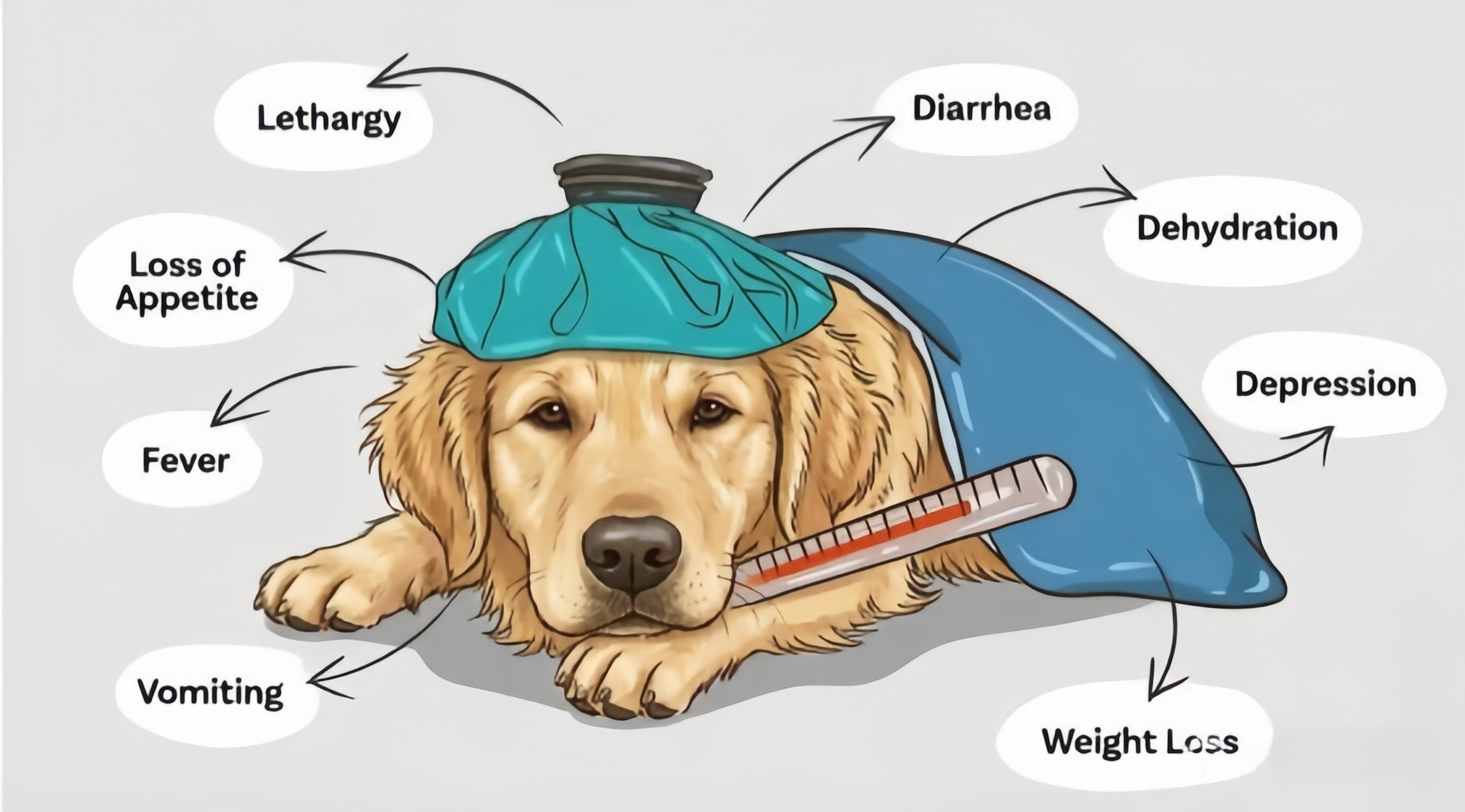
Common symptoms include:
- Coughing
- Sneezing
- Nasal discharge
- Difficulty breathing
- Loss of appetite
- Fever
- Fatigue
- Eye discharge
- Vomiting or diarrhea in some infections
If your pet shows these symptoms, veterinary consultation and diagnostic testing are recommended.
What Should You Do If Someone in Your Household Has COVID-19?
If a family member is infected with COVID-19:
1. Reduce Close Contact With Pets
Avoid:
- Hugging or kissing pets
- Sharing food
- Sleeping closely with pets
Whenever possible, let a healthy family member take care of your pet.
2. Maintain Normal Pet Care
Continue providing:
- Fresh food
- Clean drinking water
- Regular cleaning
- Comfortable living conditions
Always:
- Wash your hands before and after touching your pet.
- Wear a mask when caring for your pet during infection periods.
What If Your Dog or Cat Shows Signs of Infection?
Do not abandon your pet.
Pets with infectious diseases need:
- Proper monitoring
- Veterinary advice
- Appropriate diagnostic testing
Many mild infections can improve with proper care.
However, severe symptoms require immediate veterinary attention.
Seek veterinary help if your pet experiences:
- Breathing difficulty
- Extreme weakness
- Persistent fever
- Loss of appetite
- Severe vomiting or diarrhea
The Importance of Veterinary Rapid Diagnostic Tests
Early diagnosis plays an important role in protecting pet health.
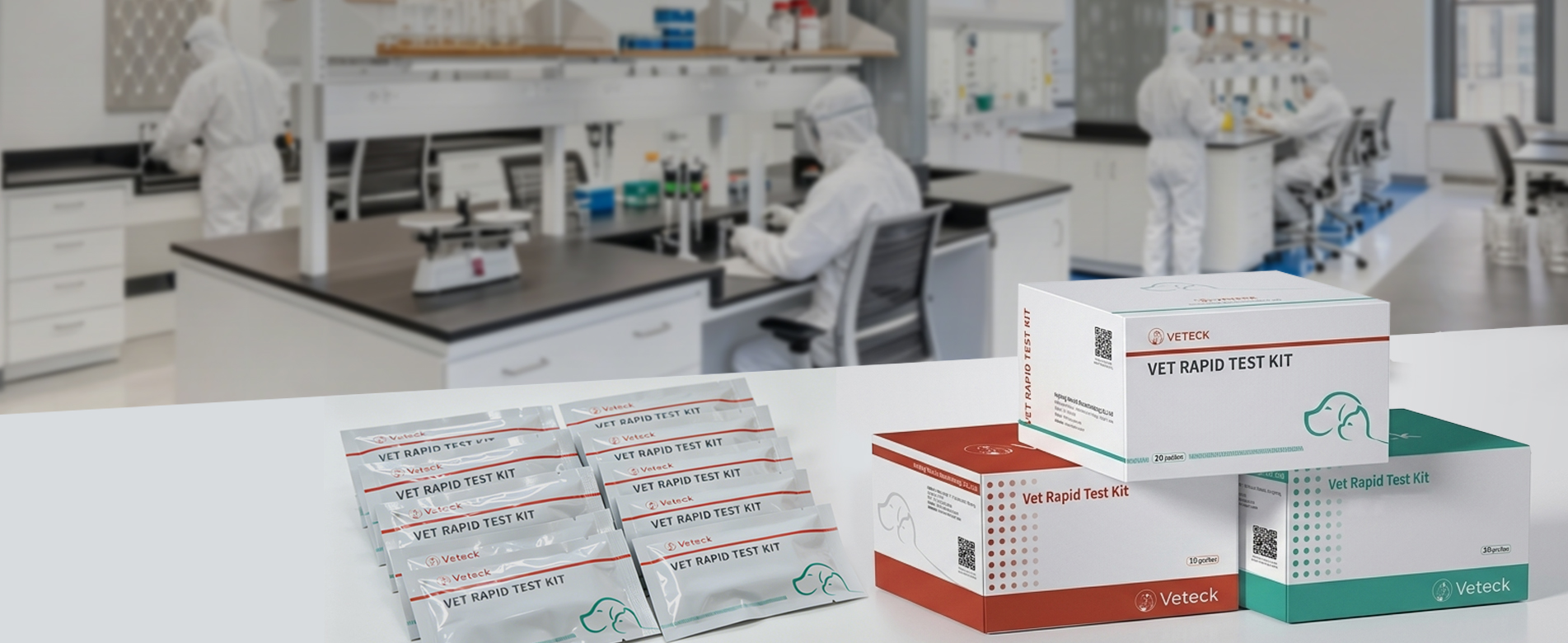
Modern veterinary rapid diagnostic test kits allow veterinarians and pet clinics to quickly screen for infectious diseases.
Compared with traditional laboratory testing, rapid test kits provide:
✔ Fast results
✔ Easy operation
✔ On-site testing
✔ Suitable for veterinary clinics
✔ Support early treatment decisions
Common veterinary rapid tests include:
Dog Diagnostic Tests
- Canine Parvovirus (CPV) Antigen Test
- Canine Distemper Virus (CDV) Test
- Canine Coronavirus (CCV) Test
- Canine Adenovirus Test
- Canine Influenza Virus Test
- Heartworm Antigen Test
- Ehrlichia / Anaplasma / Lyme Disease Tests
Cat Diagnostic Tests
- Feline Panleukopenia Virus (FPV) Test
- Feline Coronavirus (FCoV) Test
- Feline Herpesvirus (FHV) Test
- Feline Calicivirus (FCV) Test
- FIV / FeLV Tests
- Giardia Antigen Test
How Veterinary Rapid Test Kits Help Protect Pets
Veterinary rapid diagnostic tests help veterinarians:
- Identify infectious diseases earlier
- Start appropriate treatment faster
- Prevent disease transmission in multi-pet households
- Improve pet healthcare outcomes
For veterinary hospitals and clinics, reliable pet diagnostic test kits are becoming an essential tool for everyday practice.
Pet Health Prevention Tips for Every Owner
To keep your pets healthy:
Regular Health Monitoring
Observe:
- Eating habits
- Energy levels
- Breathing patterns
- Changes in behavior
Maintain Hygiene
Clean regularly:
- Food bowls
- Water bowls
- Bedding
- Toys
- Living areas
Schedule Veterinary Checkups
Regular veterinary visits help detect diseases before symptoms become serious.
Protect Your Family. Protect Your Pets.
Pets bring happiness and companionship into our lives.
By understanding infectious diseases, practicing good hygiene, and using reliable veterinary rapid diagnostic testing, pet owners and veterinarians can work together to provide healthier and safer lives for animals worldwide.
Early detection. Faster care. Better protection for pets.