

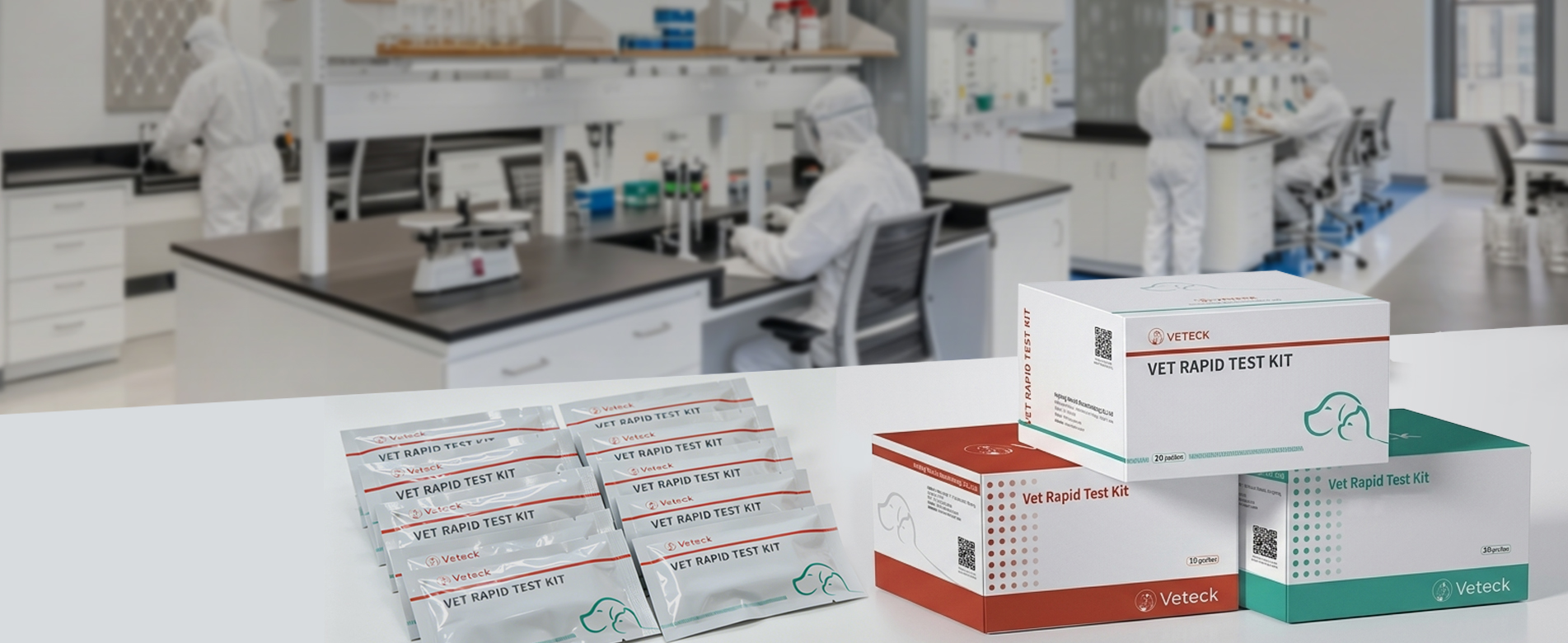
Parvo Symptoms in Dogs and Beyond: How Rapid Point-of-Care Testing Empowers Veterinary Professionals and Distributors

Deeply cultivating precise vet diagnostics, empowering smart medical services
For veterinarians and clinic managers, few presentations are as time-sensitive as a puppy exhibiting parvo symptoms in dogs—sudden lethargy, projectile vomiting, and the hallmark hemorrhagic diarrhea. The window for effective intervention is measured in hours, not days. For distributors serving the veterinary channel, providing diagnostic tools that deliver rapid, actionable results is not just a business advantage; it is a clinical necessity.
This article addresses the critical role of rapid point-of-care testing (POCT) in managing prevalent canine and feline diseases, with a focus on the performance standards, clinical utility, and sourcing considerations that matter most to B2B buyers and veterinary professionals.
The Clinical Imperative: Early Detection Redefines Prognosis
Dogs and cats are biologically predisposed to conceal signs of illness until the disease is advanced. This evolutionary adaptation means that by the time a pet owner notices lethargy, anorexia, or polydipsia, the underlying pathology may have already progressed significantly.
For the veterinary practitioner, early detection through reliable diagnostics translates directly to:
Improved survival rates (especially in parvovirus and distemper cases)
Reduced treatment costs and hospitalization duration
Better biosecurity through immediate isolation of contagious cases
For distributors, stocking high-performance rapid tests positions you as a solution partner, not just a supplier—helping your veterinarian clients achieve better outcomes while building long-term loyalty.
Decoding Parvo Symptoms in Dogs: When and What to Test
Canine parvovirus (CPV-2) remains one of the most resilient and lethal pathogens in young, unvaccinated dogs. Recognizing parvo symptoms early is the first step, but confirmation requires a reliable antigen test.
Classic Clinical Presentation
Initial signs: Depression, anorexia, fever
Progressive signs: Vomiting, followed by severe, often bloody diarrhea with a distinct foul odor
Systemic impact: Rapid dehydration, electrolyte imbalance, and secondary sepsis
Diagnostic Window
Viral shedding in feces typically begins 3–5 days post-exposure, correlating with symptom onset. Fecal antigen tests using monoclonal antibodies offer the highest sensitivity during this acute phase. For veterinarians, this means having a test that can confirm parvo symptoms in dogs on the first presentation, without waiting for reference laboratory turnaround.
Canine Distemper – The Great Imitator
Early canine distemper signs (serous ocular/nasal discharge, coughing, hyperkeratosis) often mimic kennel cough or respiratory allergies. Rapid combo tests that detect both parvovirus and distemper antigens from a single swab provide an efficient, cost-effective screening tool, particularly in shelters and high-volume practices.
Beyond Parvo: Essential Rapid Tests for Comprehensive Canine and Feline Care
While parvovirus is a flagship indication, modern veterinary practice requires a broader diagnostic arsenal.
|
Disease Target |
Key Indications |
Clinical Utility for Vets |
|
Canine Pancreatitis |
Acute vomiting, abdominal pain ("praying posture"), inappetence |
Distinguishes pancreatitis from gastroenteritis; guides immediate dietary and analgesic therapy |
|
Heartworm (Antigen) |
Subclinical in early stages; cough, exercise intolerance in advanced cases |
Essential for annual screening and pre-cardioprotective treatment workups |
|
Ehrlichiosis (Antibody) |
History of tick exposure; fever, thrombocytopenia, lymphadenopathy |
Enables early doxycycline therapy, preventing chronic myelosuppression |
|
Feline Leukemia (FeLV) / Feline AIDS (FIV) |
Stomatitis, weight loss, recurrent infections |
Mandatory for new cats in multi-cat households; guides vaccination and management decisions |
The Technology Behind the Result: Lateral Flow Immunoassay (LFIA)
All these rapid tests are built on the well-validated Lateral Flow Immunoassay (LFIA) platform. As a manufacturer, we engineer each cassette with precision:
Sample pad – Receives the specimen (whole blood, serum, feces, or saliva)
Conjugate pad – Contains colloidal gold or fluorescent nanoparticles conjugated to specific antibodies
Nitrocellulose membrane – Immobilized with capture antibodies at the test line (T) and control line (C)
Absorbent pad – Drives capillary flow to ensure complete migration
The result is a visual colorimetric readout within 5–10 minutes, with no specialized equipment required for interpretation—though our cassettes are also compatible with automated readers for quantitative or semi-quantitative analysis.
Performance Parameters: What Veterinarians and Distributors Must Evaluate
When sourcing rapid tests for professional use, we recommend scrutinizing the following analytical and clinical performance metrics:
Clinical Sensitivity – The test's ability to correctly identify positive samples (critical to minimize false negatives, especially in early parvovirus where viral titers are low)
Clinical Specificity – The ability to correctly identify negative samples (reducing false positives that lead to unnecessary interventions)
Cross-reactivity – Ensuring no interference from common substances or other pathogens
Stability – Shelf-life data under real-time and accelerated conditions (per VICH guidelines)
Our tests are manufactured in an ISO 13485:2016 certified facility, with each batch subject to rigorous quality control before release. We provide full batch-specific Certificate of Analysis (CoA) and technical datasheets for your due diligence.
- Canine CPV/CDV Ag Combo Test Kit: Dual-channel rapid diagnostic triage to instantly differentiate between canine distemper virus and parvovirus antigens within 5-10 minutes.
- Feline FIV/FeLV Combo Test Strip: High-affinity double antibody pairings to monitor feline leukemia and feline immunodeficiency viruses during routine clinical checkups.
Integrating Rapid Testing into Veterinary Workflow: A Distributor's Value-Add
For distributors, the opportunity lies not just in selling test kits, but in enabling better clinical workflows. We support your sales efforts with:
Clear, illustrated protocols – Minimizing user error and repeat testing
Training materials – For both your sales team and their veterinarian clients
Technical support – Rapid response for any product queries or result interpretation questions
By bundling rapid tests with consumables (swabs, diluents, droppers) and offering competitive volume-based pricing, you can build a complete diagnostic consumables portfolio that clinics rely on daily.
Clinical Caveats: The Test is an Aid, Not an Absolute
As a responsible manufacturer, we emphasize to all users:
A positive result – Correlate with clinical signs and patient history; initiate appropriate therapy immediately.
A negative result in a symptomatic patient – Do not rule out the disease. Consider retesting after 12–24 hours, or submitting a sample to a reference lab for PCR confirmation, as antigen levels may fluctuate or be below detection thresholds early in infection.
Veterinarians should always prioritize their clinical judgment over any single diagnostic result.
Conclusion: Partnering for Better Pet Health Outcomes
For distributors, stocking rapid test kits that deliver consistent, accurate, and timely results differentiates your portfolio in a competitive market. For veterinarians, having these tools at hand transforms how you manage parvo symptoms in dogs, distemper outbreaks, and a host of other life-threatening conditions.
We invite you to evaluate our product range. With ISO-certified manufacturing, transparent performance data, and a commitment to continuous innovation, we are the partner you can trust to deliver quality diagnostics to the veterinary community.
Contact our B2B team today to request a distributor kit, technical dossier, or to schedule a product webinar for your veterinary network.