Leave A Message
If you are interested in our products and want to know more details,please leave a message here,we will reply you as soon as we can.

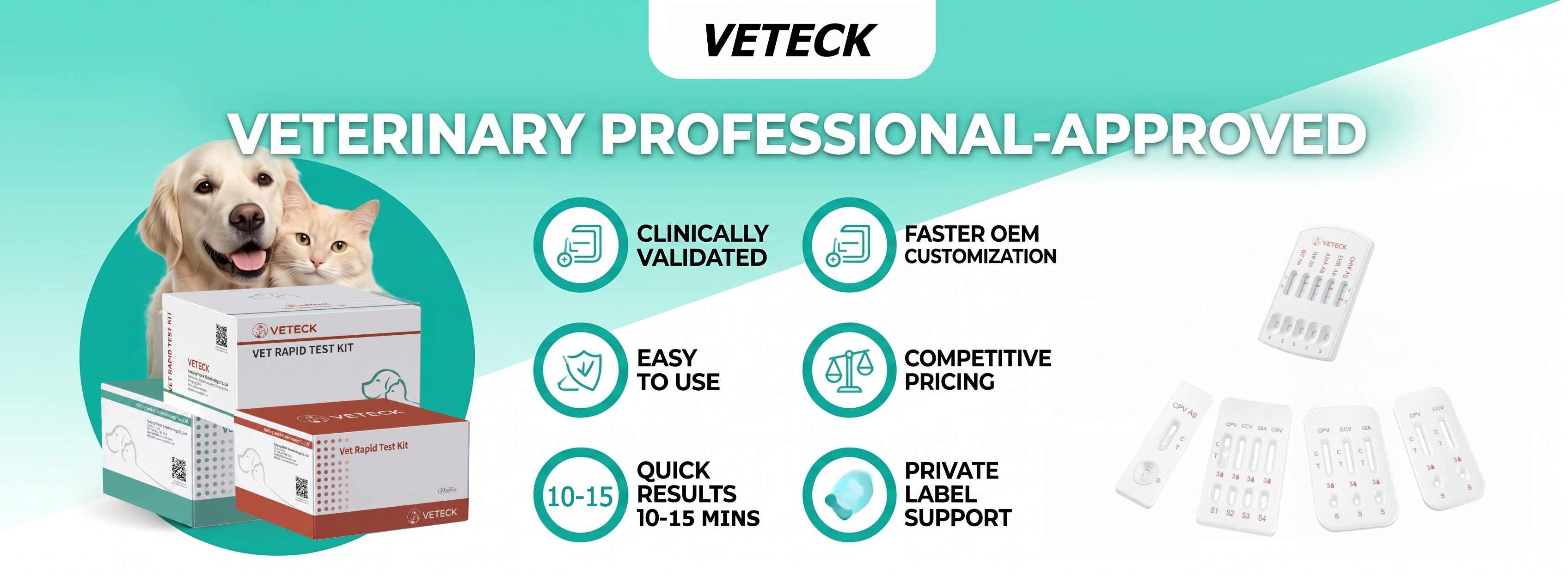
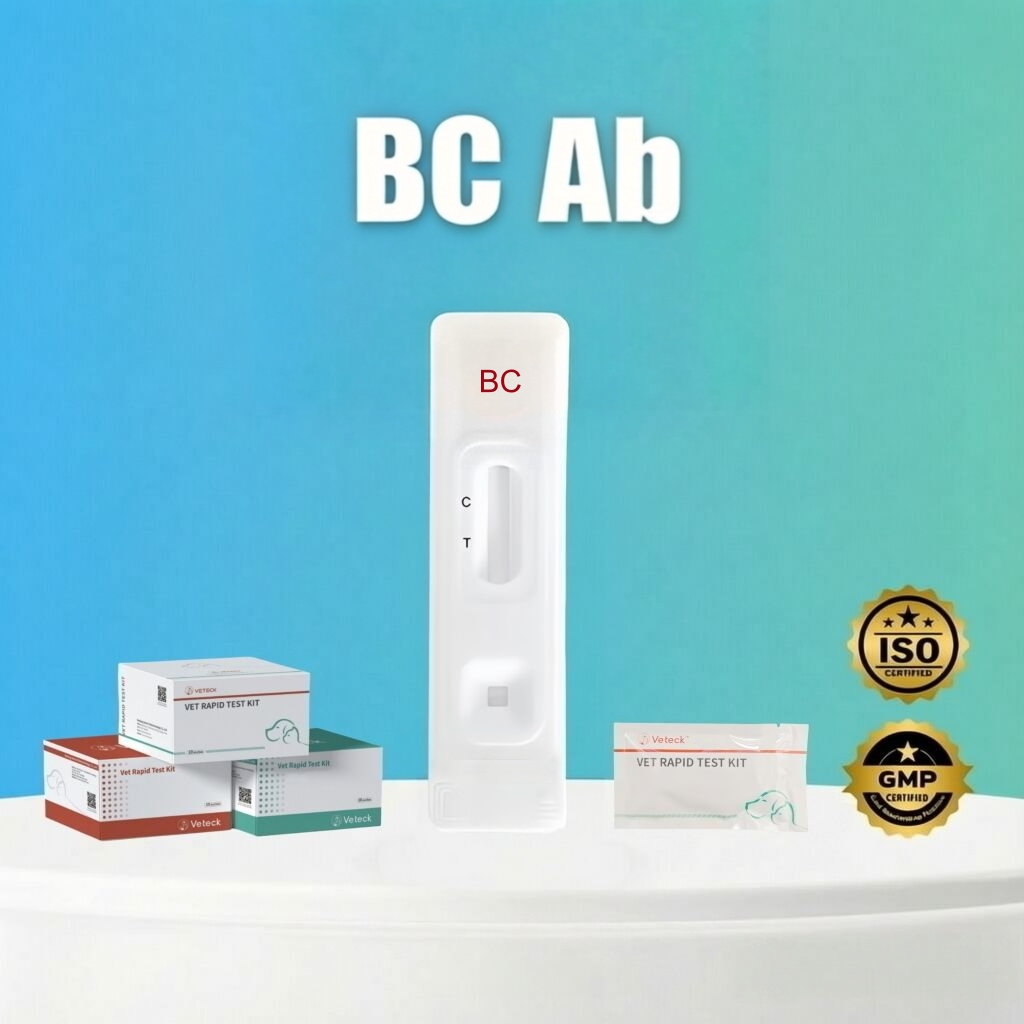
The Canine Babesia canis Antibody Test is a lateral flow immunochromatographic assay designed for the qualitative detection of Babesia canis antibodies (BC Ab) in canine whole blood, serum, or plasma samples.
The test provides a rapid and convenient method for screening Babesia canis exposure in dogs, supporting veterinary professionals in the assessment of canine tick-borne diseases.
With simple operation and rapid detection performance, the product is suitable for veterinary clinics, animal hospitals, diagnostic laboratories, and canine health screening programs.
| Material Provided | 10 BC Ab test cards |
| 10 Vials of assay buffer | |
| 10 Disposable droppers | |
| 10 Capillary droppers | |
| 1 Instruction for use |
| Product Name | Babesia Canis Antibody Rapid Test |
| Specimen | Dog's serum, plasma and whole blood |
| Assay Time | 5-10 minutes |
| MOQ | 300 boxes |
| Delivery time | 3-5 days by DHL |
| Packing | 10 test kits/Packing box |
| Storage Temperature | 2-30°C |
| Shelf Life | 24 months |
| Production Capacity | 1 Million/Day |
| Payment | T/T, Western Union, Paypal |
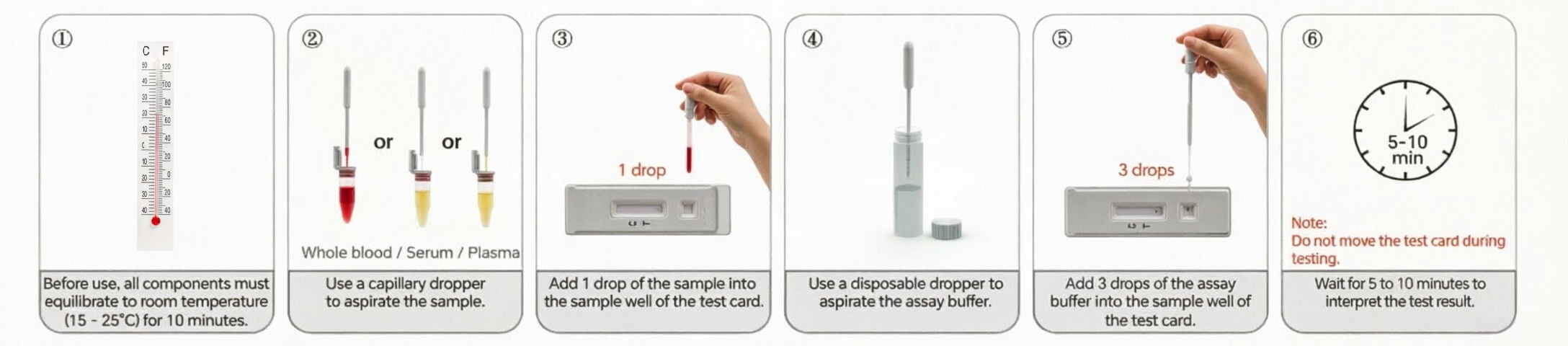
The Canine Babesia canis Antibody Test is based on a lateral flow immunochromatographic assay.
The test cassette contains a result window with an initially invisible T (Test) line and C (Control) line for result interpretation.
During the assay, highly specific Babesia canis antigens are used as capture and detector reagents. The detector antigen is labeled with colloidal gold particles. After the treated sample is applied to the sample well, the specimen migrates laterally along the test membrane through capillary action.
The appearance of the C line confirms that the sample has migrated correctly and that the assay has been performed properly.
Therefore, the test cassette provides reliable detection of Babesia canis antibodies in canine whole blood, serum, or plasma samples.
Early detection of Babesia canis infection is critical for protecting canine health and improving treatment outcomes. Because canine babesiosis often begins with non-specific symptoms such as fever, lethargy, loss of appetite, and weakness, infected dogs may remain undiagnosed until the disease has progressed to more severe stages.
As the parasite invades and destroys red blood cells, affected dogs can develop hemolytic anemia, jaundice, hemoglobinuria, and potentially life-threatening complications involving the liver, kidneys, and cardiovascular system. Delayed diagnosis may increase the risk of hospitalization, prolonged treatment, and poor prognosis.
Routine Babesia testing in dogs allows veterinarians to identify infected animals before severe clinical signs develop, enabling timely intervention and more effective disease management.

Breakthroughs & Advantages
We have achieved a series of breakthrough results in veterinary rapid testing. Compared with traditional methods (such as PCR or culture), our rapid tests demonstrate superior performance. Traditional methods are often time-consuming and costly, while our products offer:
- Rapid results in approximately 15 minutes
- Cost-effectiveness
- Suitable for animal self-testing or use by veterinarians/farm personnel, significantly reducing waiting time
Our Mission
Over the years, we have remained committed to the following mission: Through continuous diagnostic research and development, provide rapid, accurate, and cost-effective diagnostic testing products.
A: Babesia canis parasites sequester inside red blood cells, making direct antigen capture in circulating whole blood highly variable during subclinical or chronic stages. This indirect antibody (Ab) test detects the host's robust humoral immune response. It is highly effective for screening blood donors, identifying asymptomatic carriers, confirming prior tick exposure, and diagnosing dogs that have already transitioned past the hyper-acute parasitemia phase.
A: Yes. This rapid test utilizing highly specific recombinant outer membrane proteins unique to Babesia canis (the large form of Babesia). It has zero cross-reactivity with Babesia gibsoni (the small form) antibodies. This distinct differentiation is crucial for veterinarians, as B. canis and B. gibsoni require different clinical treatment protocols and antibiotic therapies.
A: If a dog is in the hyper-acute phase immediately following a tick bite, it may take 10 to 14 days for detectable antibody titers to develop (the pre-patent period). If clinical signs like pale gums, fever, and splenomegaly are severe but the antibody test is negative, we highly recommend performing a direct blood smear evaluation, running a PCR test, or treating empirically and re-testing with this kit in 2 weeks.
A: Active medical treatment will eliminate or reduce the parasite load, but circulating IgG antibodies to Babesia canis can persist in the dog's bloodstream for several months post-recovery. Therefore, a dog may still test positive on this antibody kit after successful treatment. It should be used as a tool for exposure screening rather than a definitive marker for immediate post-treatment clearance.
A: Yes. Our specialized sample extraction buffer is fully validated to accept fresh whole blood treated with standard clinic anticoagulants, including EDTA, Lithium/Sodium Heparin, or Sodium Citrate. Ensure the whole blood is thoroughly mixed before applying the micro-drop to the sample well to ensure optimal capillary flow dynamics.
A: Yes, any visible pink or red line in the Test (T) zone within the 10-minute window—no matter how faint—constitutes a positive result. A faint line typically indicates a very early-stage seroconversion (antibody levels are just rising) or a chronic carrier with low, stabilized antibody titers.
A: Co-infections with other tick-borne pathogens (like Ehrlichia, Anaplasma, or Lyme disease) are incredibly common. To ensure ultimate diagnostic specificity, our manufacturing IQC process tests every batch against a reference panel of hyper-immune serum from alternative canine vector pathogens, securing a baseline specificity of 99.0% against cross-reacting agents.
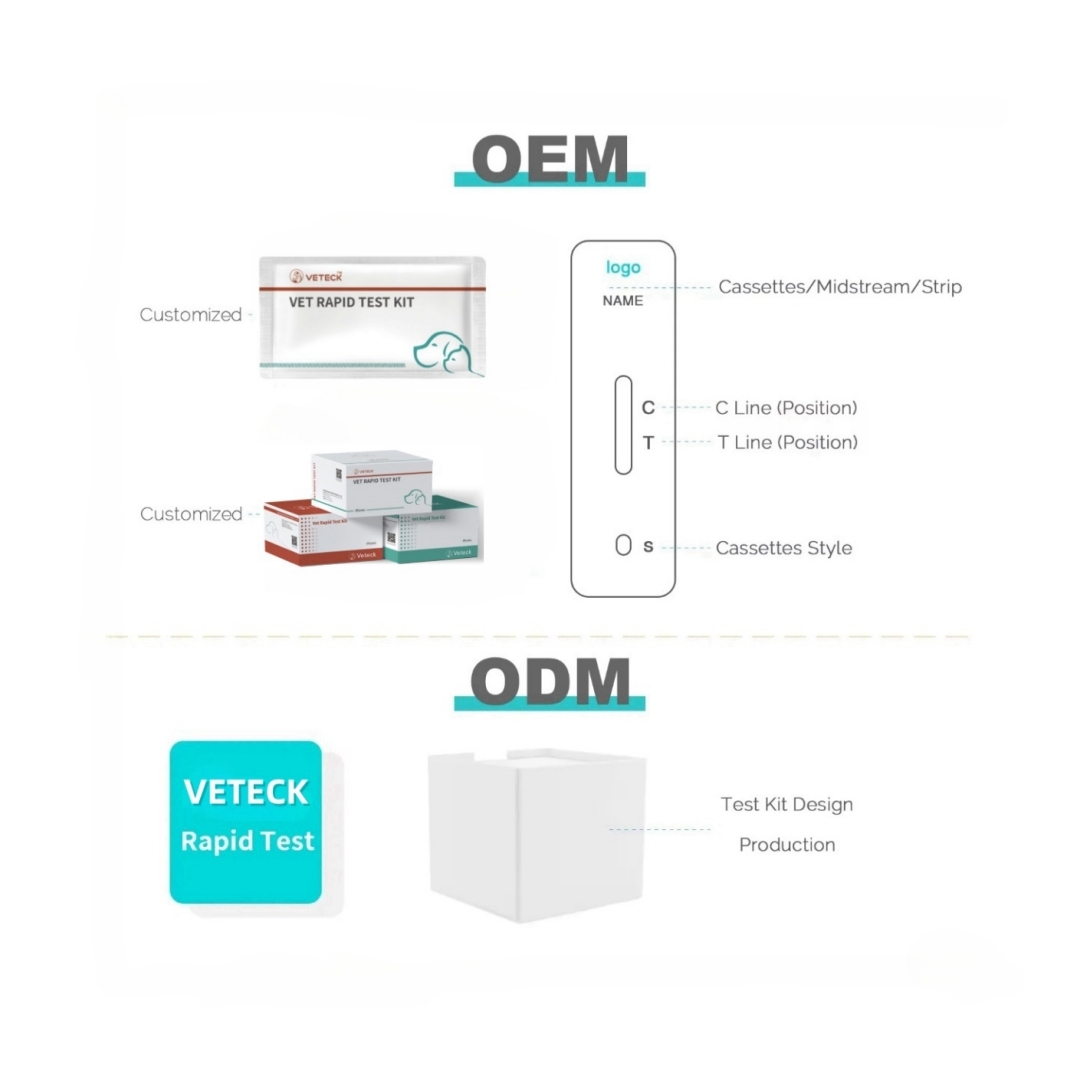
A: Absolutely. As a direct veterinary diagnostics manufacturer, our R&D and automated assembly lines are fully flexible. We can modify the internal layout of the plastic cassette to create customized multi-panels, such as a Babesia canis + Ehrlichia Ab dual card or a comprehensive 4-in-1 vector panel. This custom OEM path requires an adjusted development schedule and an MOQ starting at 5,000 units.
A: The standard storage requirement is room temperature or refrigeration (2°C to 30°C). Do not freeze. For our global distribution partners operating in tropical or high-humidity regions, each cassette is hermetically sealed in a heavy-duty aluminum foil pouch with a high-grade molecular sieve desiccant to prevent moisture spikes or heat degradation during standard international air transport.
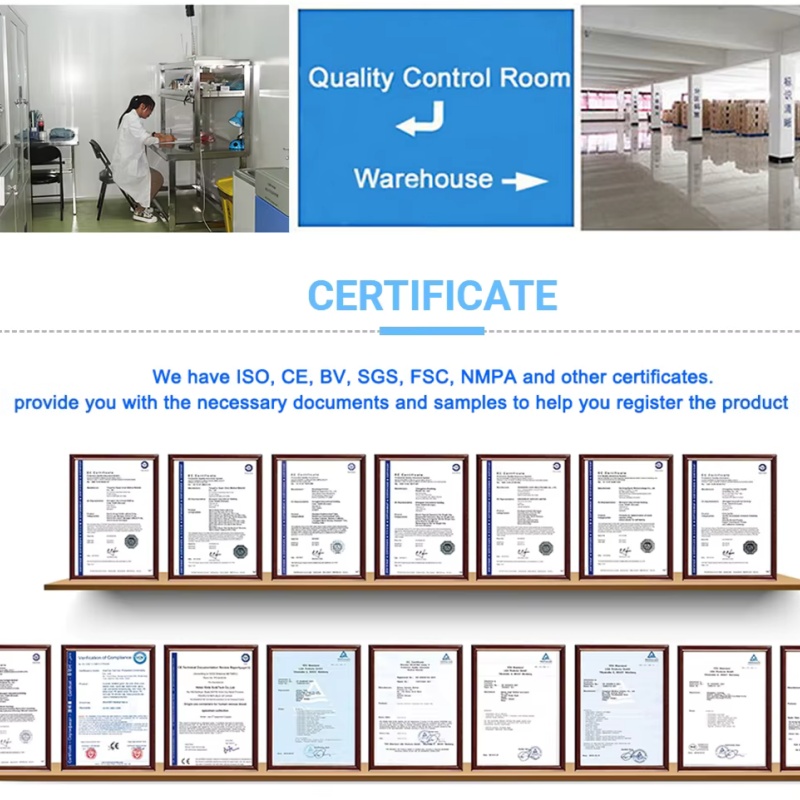
A: Yes. We provide our authorized global distributors with a comprehensive Regulatory Registration Dossier. This package includes our factory ISO 13485 certification, veterinary GMP compliance summaries, technical sheets covering antibody validation studies, and lot-specific Certificates of Analysis (COA) to guarantee a smooth import clearance process.

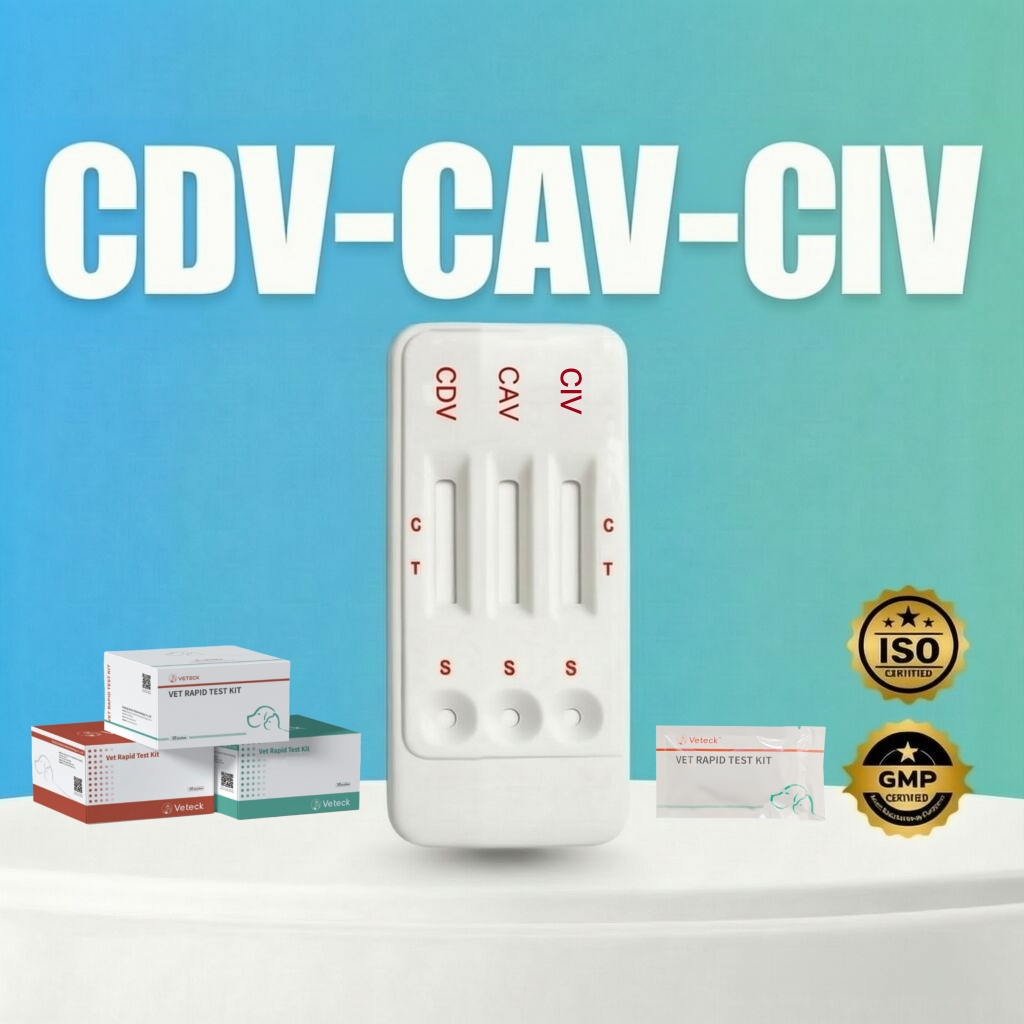
The Canine Distemper Virus–Adenovirus–Influenza Virus Antigen Combo Test is a rapid veterinary diagnostic assay designed for the simultaneous detection of Canine Distemper Virus Antigen (CDV Ag), Canine Adenovirus Antigen (CAV Ag), and Canine Influenza Virus Antigen (CIV Ag) in dogs. This test is ideal for veterinary clinics, animal hospitals, diagnostic laboratories, breeding kennels, shelters, and canine respiratory disease screening programs. Production Features Improve treatment planning Reduce disease transmission in kennels and shelters Protect high-risk puppies and unvaccinated dogs Enhance outbreak management programs
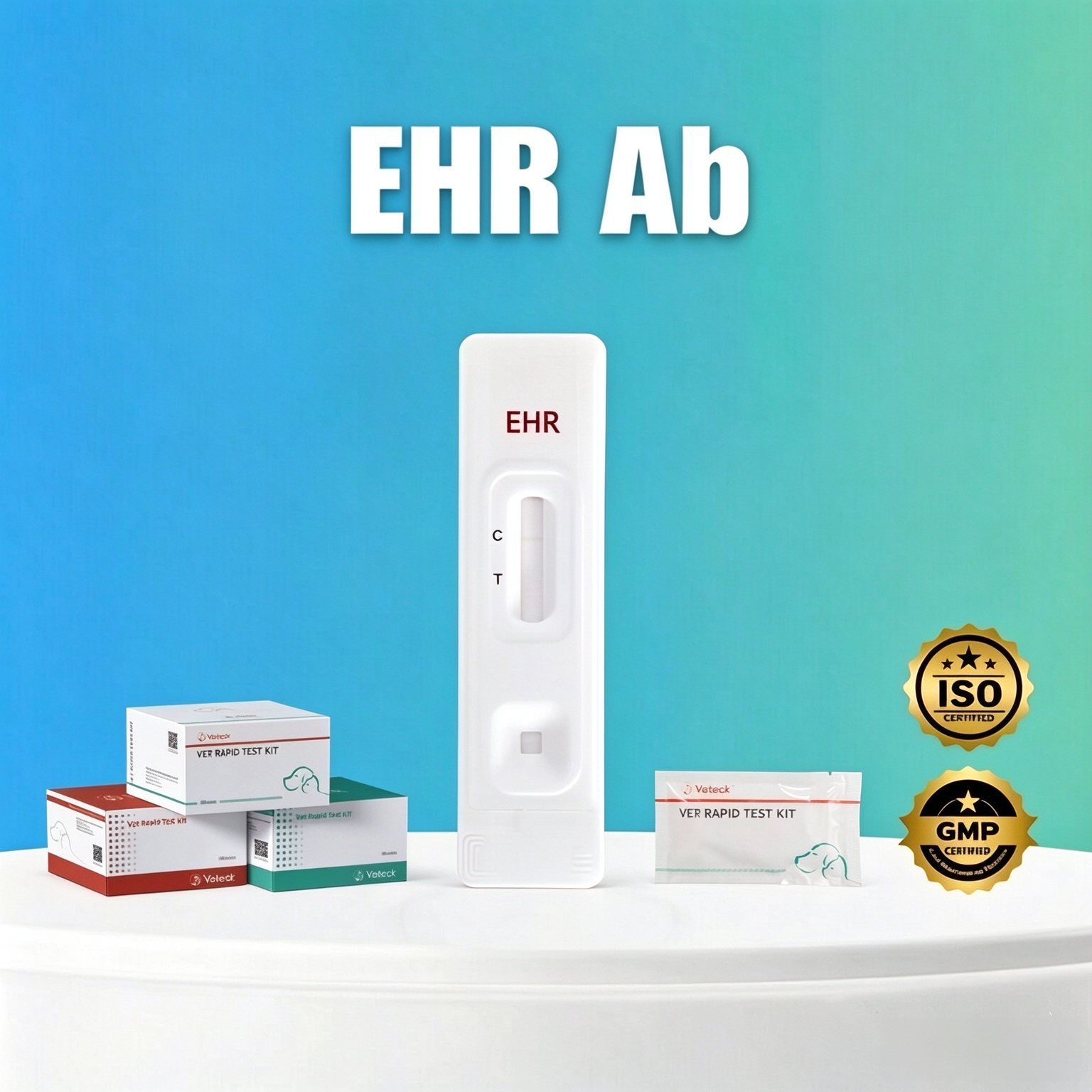
The Canine Ehrlichia canis Antibody Rapid Test Kit is a veterinary diagnostic test designed for the qualitative detection of Ehrlichia canis antibodies (E. canis Ab) in canine whole blood, serum, or plasma samples. Based on lateral flow immunochromatographic technology, the test provides rapid and convenient screening of Ehrlichia canis infection exposure in dogs. Results can be obtained within 5–10 minutes, helping veterinarians quickly assess potential tick-borne disease risks and support timely clinical decisions. The product is suitable for veterinary clinics, animal hospitals, breeding facilities, and canine health screening centers. With simple operation and no requirement for complex laboratory equipment, it provides an effective point-of-care diagnostic solution for canine tick-borne diseases. Production Features High Sensitivity and Specificity Reliable Diagnostic Performance Easy-to-Use Veterinary Rapid Test
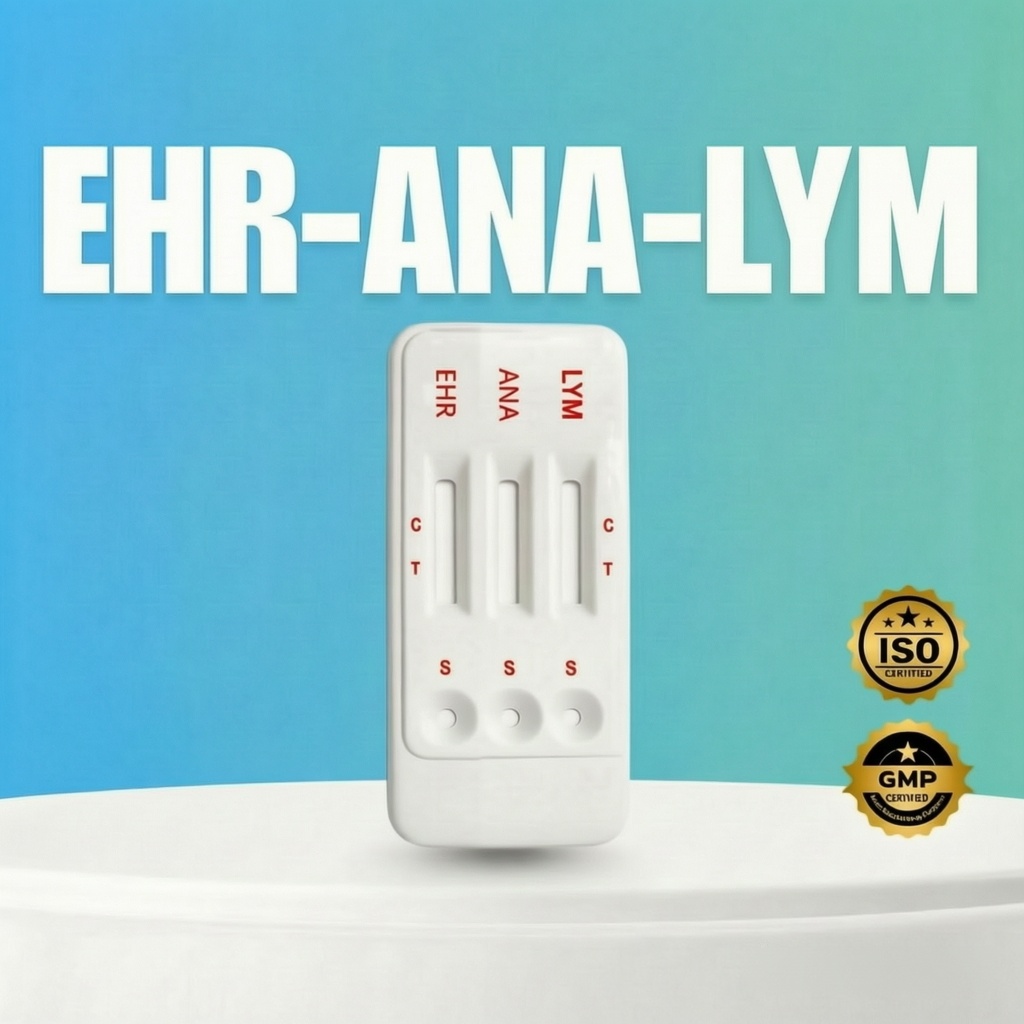
The Canine Ehrlichia-Anaplasma-Lyme Disease Ab Combo Test is a rapid immunochromatographic assay is mainly about the qualitative detection of antibodies against Ehrlichia canis (EHR Anaplasma spp. (ANA) Borrelia burgdorferi (Lyme Disease) in canine whole blood, serum, or plasma samples. Rapid Tick-Borne Disease Antibody Test diagnostic test helps veterinarians quickly identify exposure to common tick-borne pathogens, supporting early diagnosis, treatment decisions, and disease management. Production Features Simultaneous DetectionMultiple Sample TypesEconomical and portableReduce stress
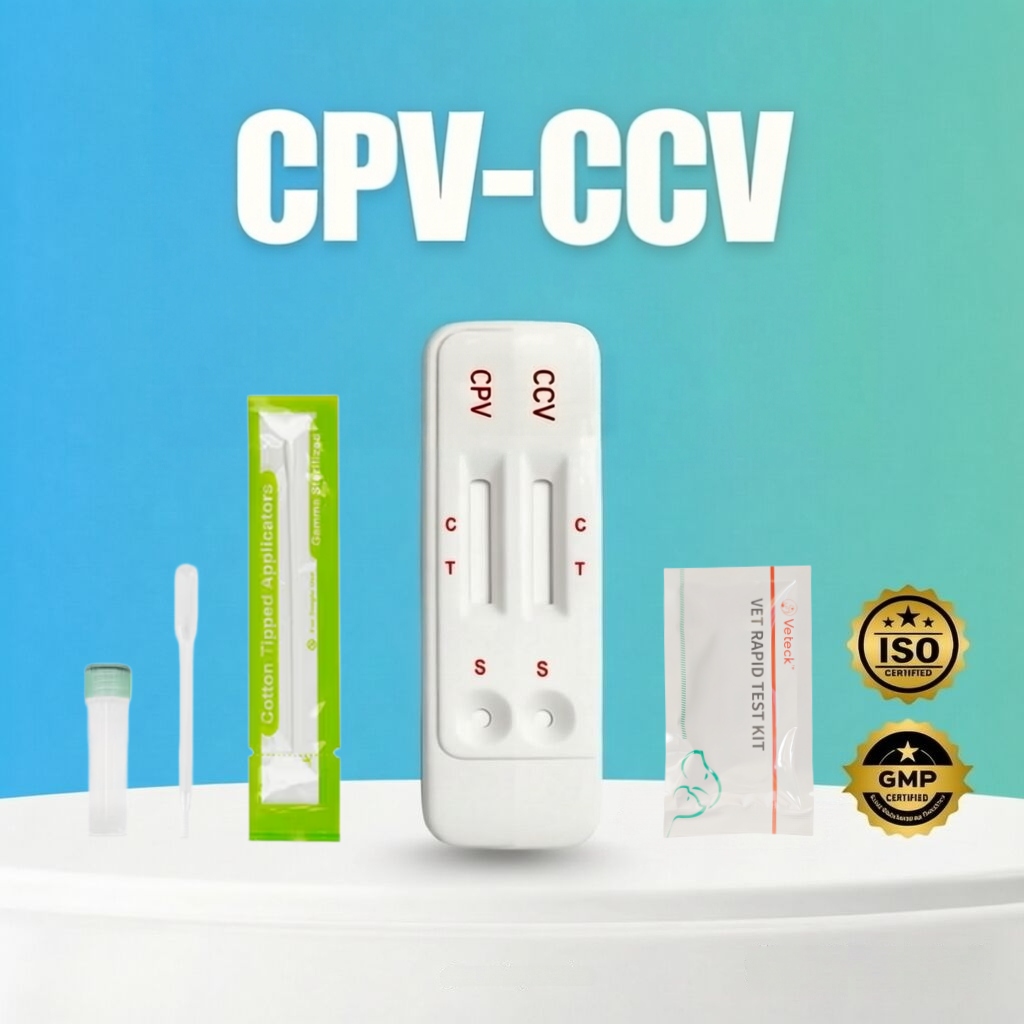
Rapid Detection of Canine Parvovirus and Canine Coronavirus in Dogs,The Canine CPV-CCV Ag Combo Test is a rapid veterinary diagnostic test designed for the simultaneous detection of Canine Parvovirus Antigen (CPV Ag) and Canine Coronavirus Antigen (CCV Ag) in canine fecal samples. Utilizing advanced lateral flow immunochromatographic technology, this canine diarrhea rapid test provides accurate results within 5–10 minutes, helping veterinarians quickly identify two of the most common viral causes of acute gastroenteritis in puppies and dogs. Production Features Reduced waiting time Faster treatment initiation Improved patient management
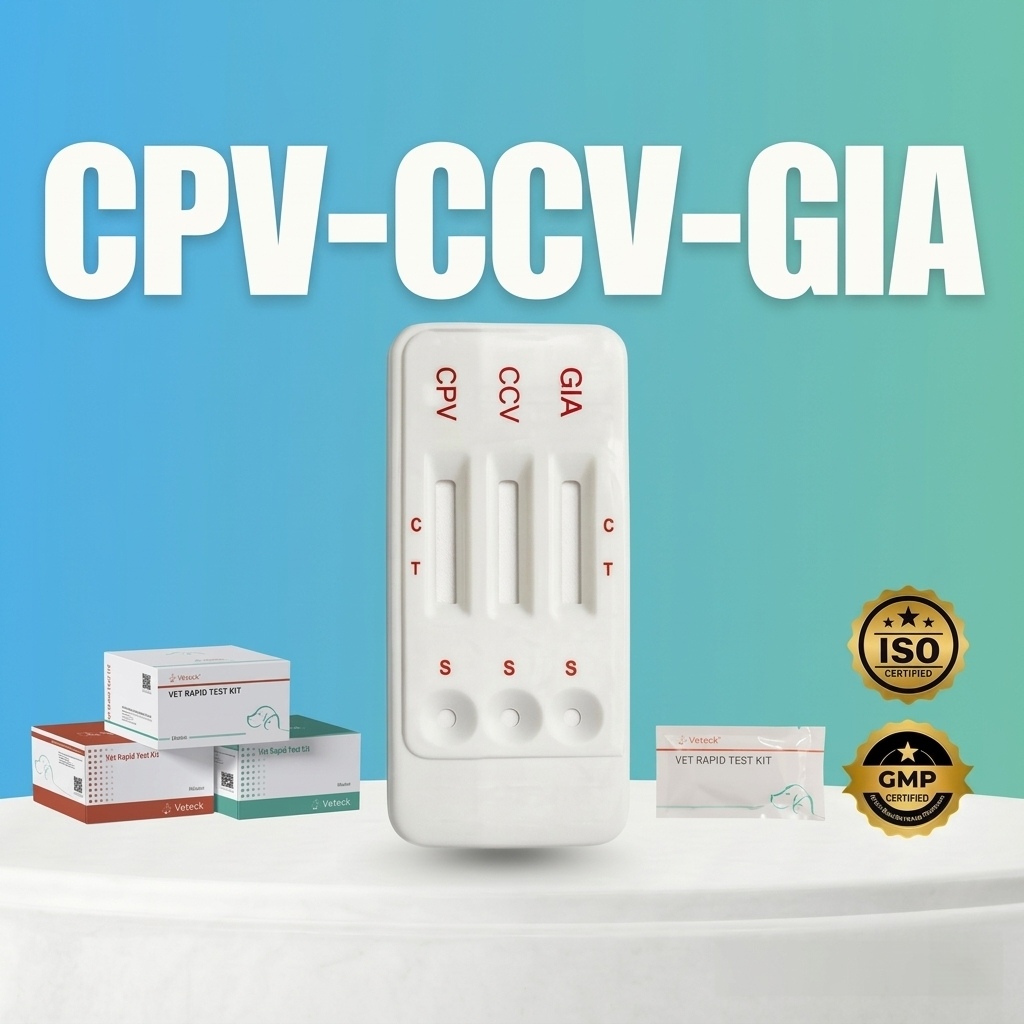
The CPV/CCV/GIA Canine 3-in-1 Rapid Test is a veterinary rapid diagnostic test designed for the qualitative detection of Canine Parvovirus (CPV) antigen, Canine Coronavirus (CCV) antigen, and Giardia antigen in canine fecal samples.With three test targets in one convenient test device, this dog rapid test helps veterinarians and animal healthcare professionals quickly screen dogs showing gastrointestinal symptoms such as diarrhea, vomiting, loss of appetite, dehydration, and abdominal discomfort. Production Features Simultaneous DetectionMultiple Sample TypesEconomical and portable
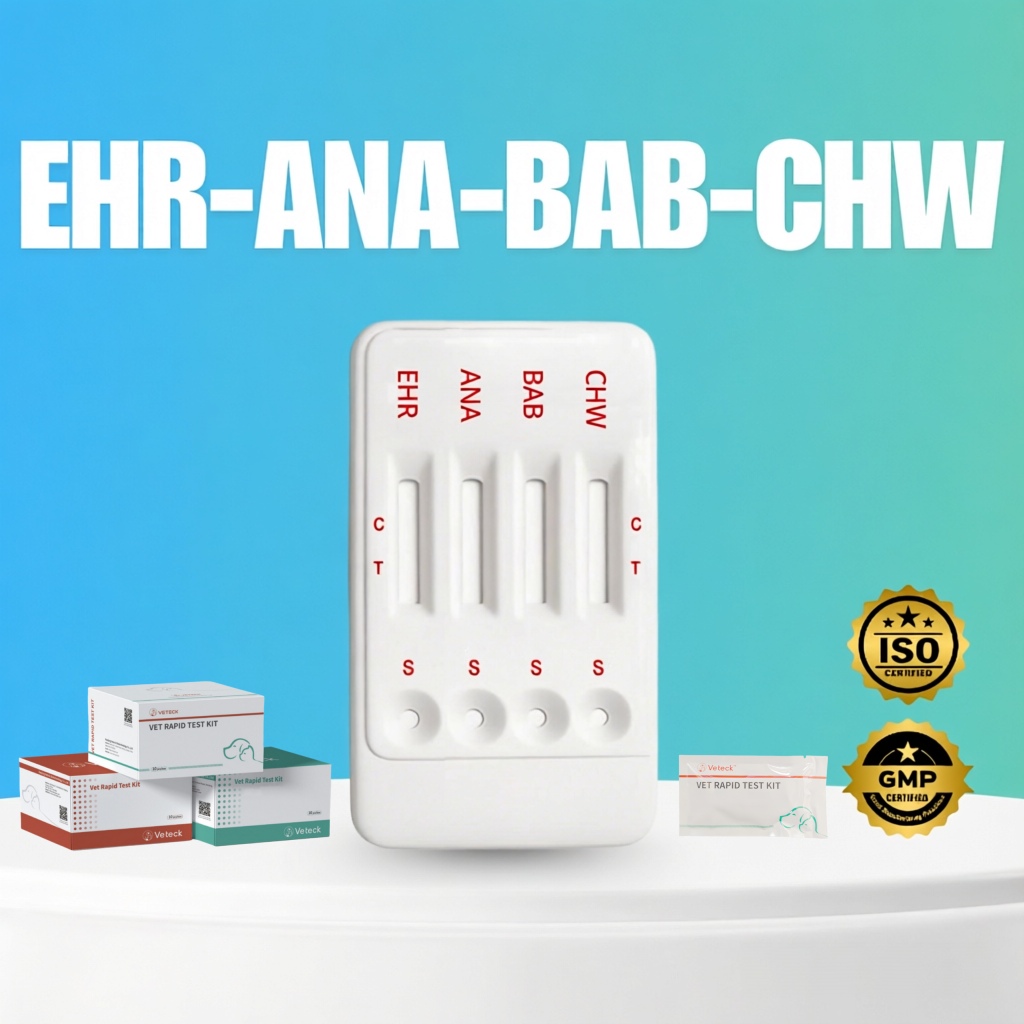
The Canine Ehrlichia-Anaplasma-Babesia-Heartworm Combo Test enables the rapid differential diagnosis of these pathogens by detecting antibodies specific to Ehrlichia canis, Anaplasma spp., Babesia spp., and antigens of Dirofilaria immitis in canine serum, plasma, or whole blood. This process requires only a single specimen collection and sample preparation, supporting for prompt and effective treatment thenafter. Production Features Detectable in trace amountsHigh efficiency, low costEconomical and portableReduce stress
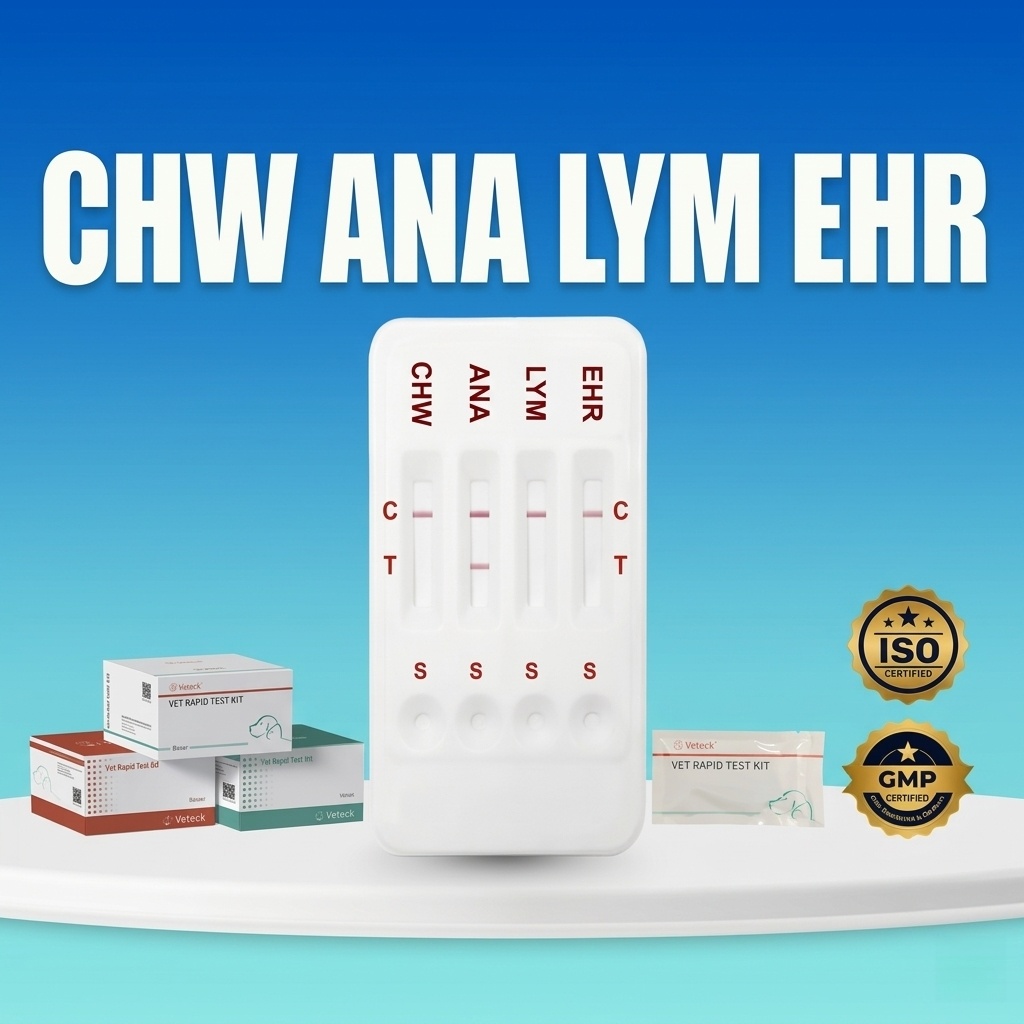
Canine Ehrlichia Babesia Anaplasma Heartworm Combo Test Kit is a high-sensitivity lateral flow immunoassay for the simultaneous qualitative detection of E.canis antibodies, Babesia gibsoni antibodies, Anaplasma antibodies, and Heartworm antigens in canine serum, plasma, and whole blood. Backed by full international certifications (CE/ISO), it is the ultimate cost-effective solution for high-volume veterinary diagnostic screening. Advantages Clinical Accuracy (99%+) Factory-Direct Pricing Flexible Ultra-Low MOQ
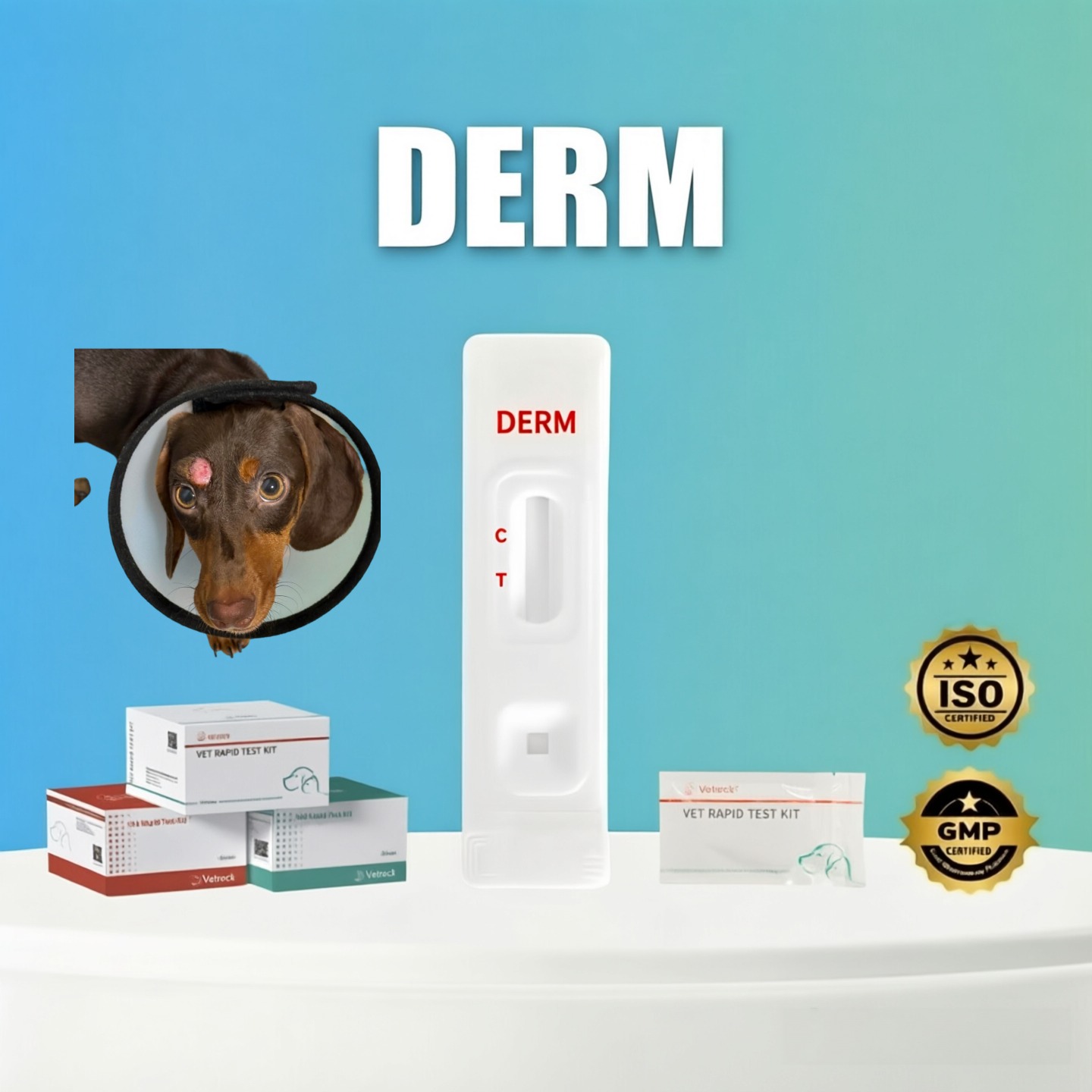
Accurate 15-minute Veterinary Dermatophytosis Diagnostic Kit for clinics. Detects Microsporum and Trichophyton using advanced Alpha-1,6-Mannan technology. Non-invasive & easy to interpret. Advantages Clinic-Ready Veterinary Ringworm Test Professional Veterinary Fungal Diagnostic Kit ISO 13485 Certified Rapid Test Manufacture
Leave A Message
Scan to Wechat :

Scan to WhatsApp :

Hi! Click one of our members below to chat on