

Canine Parvovirus: Early Signs, Clinical Recognition, and the Critical Role of Rapid Diagnostic Testing

Deeply cultivating precise vet diagnostics, empowering smart medical services
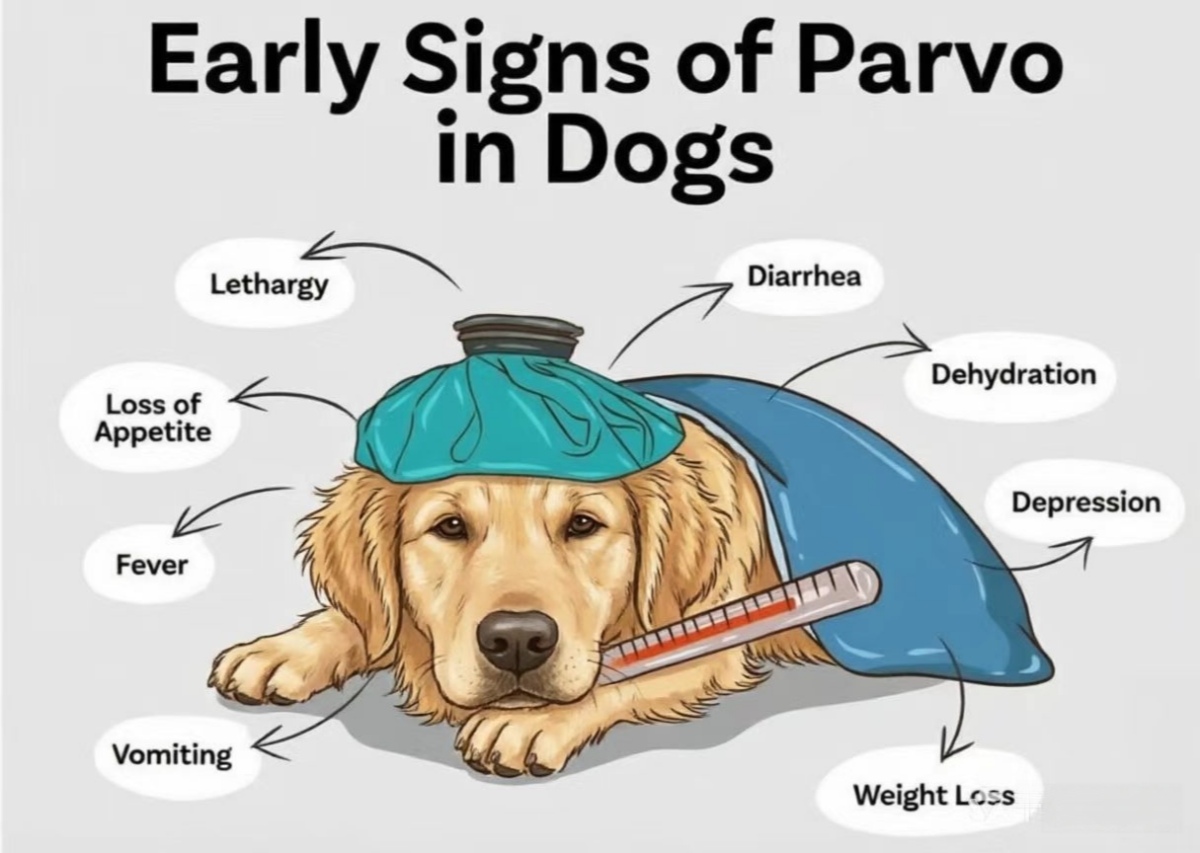
What Are the Signs of Parvovirus in Dogs?
Canine parvovirus (CPV-2) is one of the most highly contagious and resilient viruses affecting dogs worldwide. It targets rapidly dividing cells in the intestinal crypts, bone marrow, and cardiac tissue—leading to severe hemorrhagic enteritis, immunosuppression, and, without intervention, death within 48 to 72 hours of symptom onset.
What is the Canine Parvovirus Rapid Test?
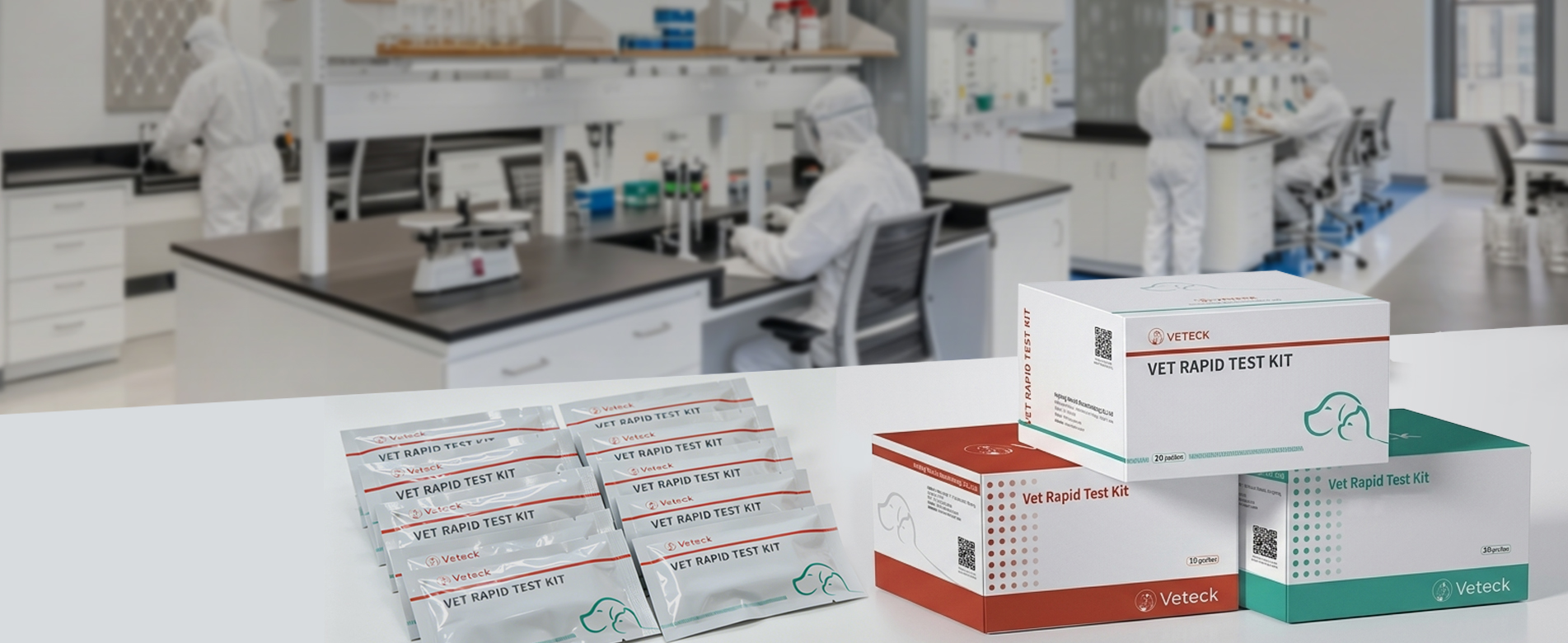
The Canine Parvovirus (CPV) Antigen Rapid Test is a sandwich lateral flow immunochromatographic assay engineered for the qualitative detection of CPV-2 viral capsid antigens (VP2 protein) in canine fecal or rectal swab specimens.
Recognizing the early signs is not just helpful—it is life-saving.
The Classic Triad of Parvo Symptoms
If a dog presents with the following three signs, parvovirus should be considered a top differential diagnosis until proven otherwise:
| Symptom | Clinical Presentation | Progression Timeline |
|---|---|---|
| Lethargy | Profound weakness, reluctance to stand or play, depressive state | Day 1–2 |
| Persistent Vomiting | Projectile vomiting, often containing bile or foam, unresponsive to fasting | Day 2–3 |
| Severe Diarrhea | Watery to hemorrhagic (bloody) diarrhea, with a characteristically foul, sweetish odor | Day 3–5 |
Critical Note: Dehydration from vomiting and diarrhea is the primary cause of mortality. A dog can lose up to 10–15% of its body weight in fluid within 24 hours.
Recognizing Early Signs at Home: A Checklist for Vigilant Owners
While the classic triad is unmistakable, early-stage symptoms are subtler and often missed. Pet owners should watch for:
-
Sudden anorexia – Refusal to eat even favorite treats
-
Fever – Elevated temperature (103–106°F) detectable by touch or thermometer
-
Abdominal pain – Whining when touched, or assuming a "praying posture" (front legs down, hindquarters up)
-
Changes in stool – Softening, mucus content, or dark/tarry appearance before frank blood appears
-
Behavioral withdrawal – Seeking solitude, hiding, or reduced interaction with family members
If any combination of these signs appears in an unvaccinated or partially vaccinated puppy, immediate veterinary evaluation is warranted—even if the classic vomiting and diarrhea have not yet developed.
Why Parvo Symptoms Are Frequently Misinterpreted
One of the greatest challenges in managing parvovirus is its non-specific early presentation. The initial signs closely mimic:
| Misdiagnosed As | Overlapping Symptoms |
|---|---|
| Dietary indiscretion (garbage ingestion) | Vomiting, diarrhea, anorexia |
| Intestinal parasitism (worms) | Diarrhea, weight loss, lethargy |
| Gastroenteritis (non-infectious) | Vomiting, loose stools, dehydration |
| Canine coronavirus | Similar gastrointestinal presentation |
This ambiguity is why clinical judgment must be supported by objective testing. A dog presenting with vomiting and diarrhea does not necessarily have parvo—but assuming it does not without confirmation is a gamble no veterinarian should take.
The Diagnostic Solution: Rapid Antigen Testing
The standard of care for point-of-care parvovirus diagnosis is the fecal antigen test using Lateral Flow Immunoassay (LFIA) technology.
How It Works
-
A small fecal swab is collected and mixed with a buffer solution
-
A few drops are applied to the test cassette
-
Results are read visually within 5–10 minutes
Performance Metrics That Matter
| Parameter | Clinical Target |
|---|---|
| Sensitivity | >95% (minimizing false negatives, especially in early infection) |
| Specificity | >98% (minimizing false positives that lead to unnecessary treatment) |
| Detection Threshold | Detects viral antigen at 10³–10⁴ TCID₅₀/mL |
Important Clinical Note: A negative result in a symptomatic dog does not rule out parvovirus. Viral shedding is intermittent, and antigen levels may fall below detection thresholds. If clinical suspicion remains high, repeat testing after 12–24 hours or submit a sample for PCR confirmation.
What Veterinarians and Clinic Managers Should Do When Parvo Is Suspected
For veterinary professionals, the protocol is clear:
-
Isolate immediately – Parvovirus is shed in feces and survives in the environment for months. Strict biosecurity is non-negotiable.
-
Perform rapid antigen testing – Establish a definitive diagnosis within minutes.
-
Initiate supportive care – IV fluids, anti-emetics, antibiotics, and nutritional support.
-
Communicate with the owner – Provide prognosis, cost estimates, and isolation recommendations for other dogs in the household.
Survival Statistics
| Intervention Timing | Survival Rate |
|---|---|
| Treatment initiated within 24 hours of symptom onset | >90% |
| Treatment delayed beyond 48 hours | 50–60% |
| No veterinary intervention | <10% |
Prevention: The Only Certain Protection
Vaccination remains the single most effective measure against parvovirus.
-
Puppies require a series of vaccinations starting at 6–8 weeks, repeated every 3–4 weeks until 16 weeks of age.
-
Adult dogs require regular boosters as per veterinary guidelines.
-
Until fully vaccinated, avoid exposure to high-traffic areas, unvaccinated dogs, and potentially contaminated environments.
Conclusion: Early Detection Saves Lives—and Rapid Tests Make It Possible
Canine parvovirus is a medical emergency, not a wait-and-see condition. The signs—lethargy, vomiting, and diarrhea—are unmistakable when fully developed, but early recognition requires vigilance. For veterinarians, having access to high-performance rapid antigen test kits is not a convenience—it is a clinical necessity that directly impacts survival outcomes.
For veterinary clinics and distributors seeking reliable, ISO-certified parvovirus rapid test kits, Veteck Biotechnology offers:
-
High sensitivity and specificity validated in independent studies
-
Batch-specific Certificates of Analysis
-
Stability data per VICH guidelines
-
Technical support and training materials
Contact our B2B team today to request product samples, technical dossiers, or distributor pricing.As a source veterinary rapid diagnostic manufacturer, Veteck has dedicated its expertise to crafting the Canine Parvovirus (CPV) Antigen Rapid Test(double-antibody sandwich colloidal gold method), designed to provide global veterinary rapid diagnostic distributors, veterinary rapid diagnostic agents, and frontline veterinarians with a highly accurate yet cost-effective diagnostic tool.