

Canine Parvovirus and Coronavirus Combo Rapid Test: A Clinical Guide for Veterinary Professionals

Deeply cultivating precise vet diagnostics, empowering smart medical services
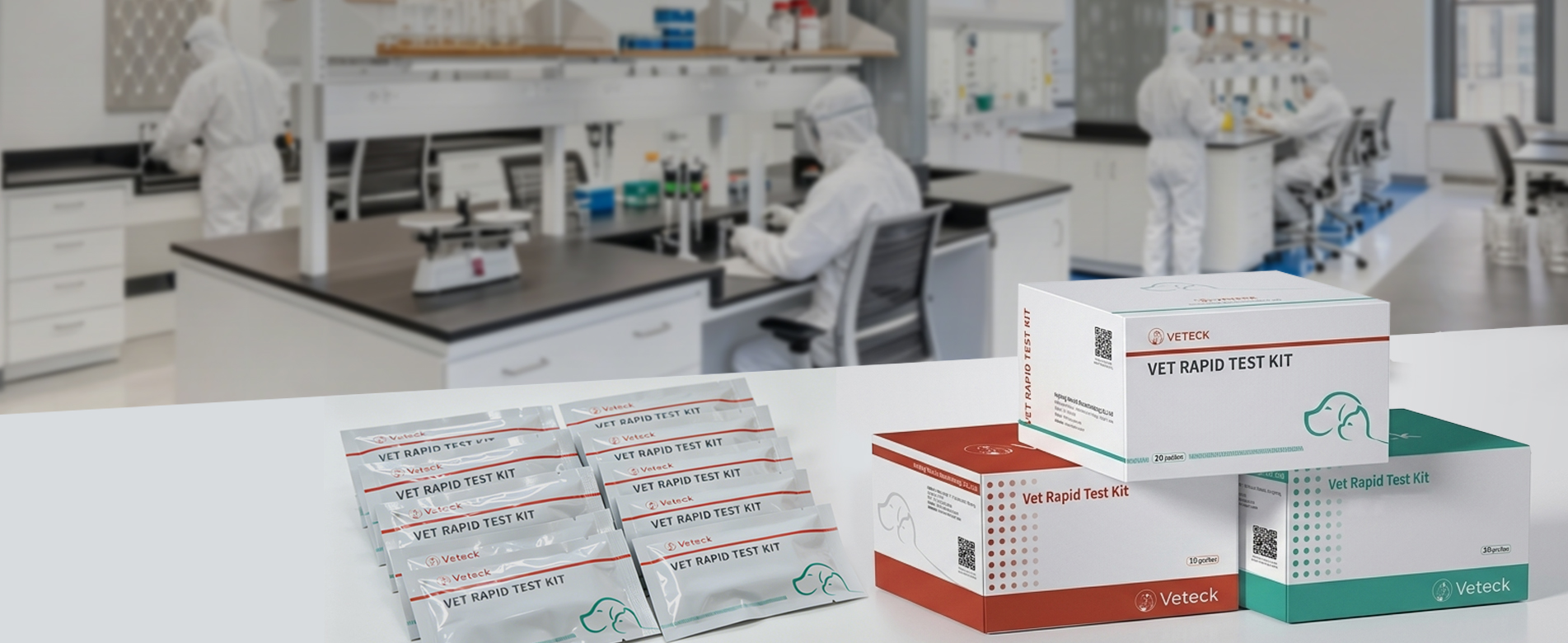
Rapid Test Cassettes for Veterinary Hospitals
Abstract: In clinical practice, the co-infection rate of Canine Parvovirus (CPV) and Canine Coronavirus (CCoV) in canine acute infectious enteritis is exceptionally high, with a mortality rate far exceeding that of monoinfections. Empirical treatments based on subjective observation carry a high risk of misdiagnosis and cause patients to miss the critical window for intervention. Introducing a Point-of-Care Testing (POCT) system with CPV/CCoV Combo Rapid Test Cassettes not only enables veterinarians to achieve precise triage within 10 minutes, but also serves as a vital operational tool to build client trust, increase high-value ICU hospitalization conversions, and standardize infection control protocols within veterinary hospitals.
1. Clinical Pain Points: Why CPV/CCoV Combo Rapid Tests Are Essential for Pediatric GI Diagnostics
- Vomiting and diarrhea in puppies are among the most common emergency presentations in veterinary clinics. However, traditional diagnostic approaches face three severe challenges:
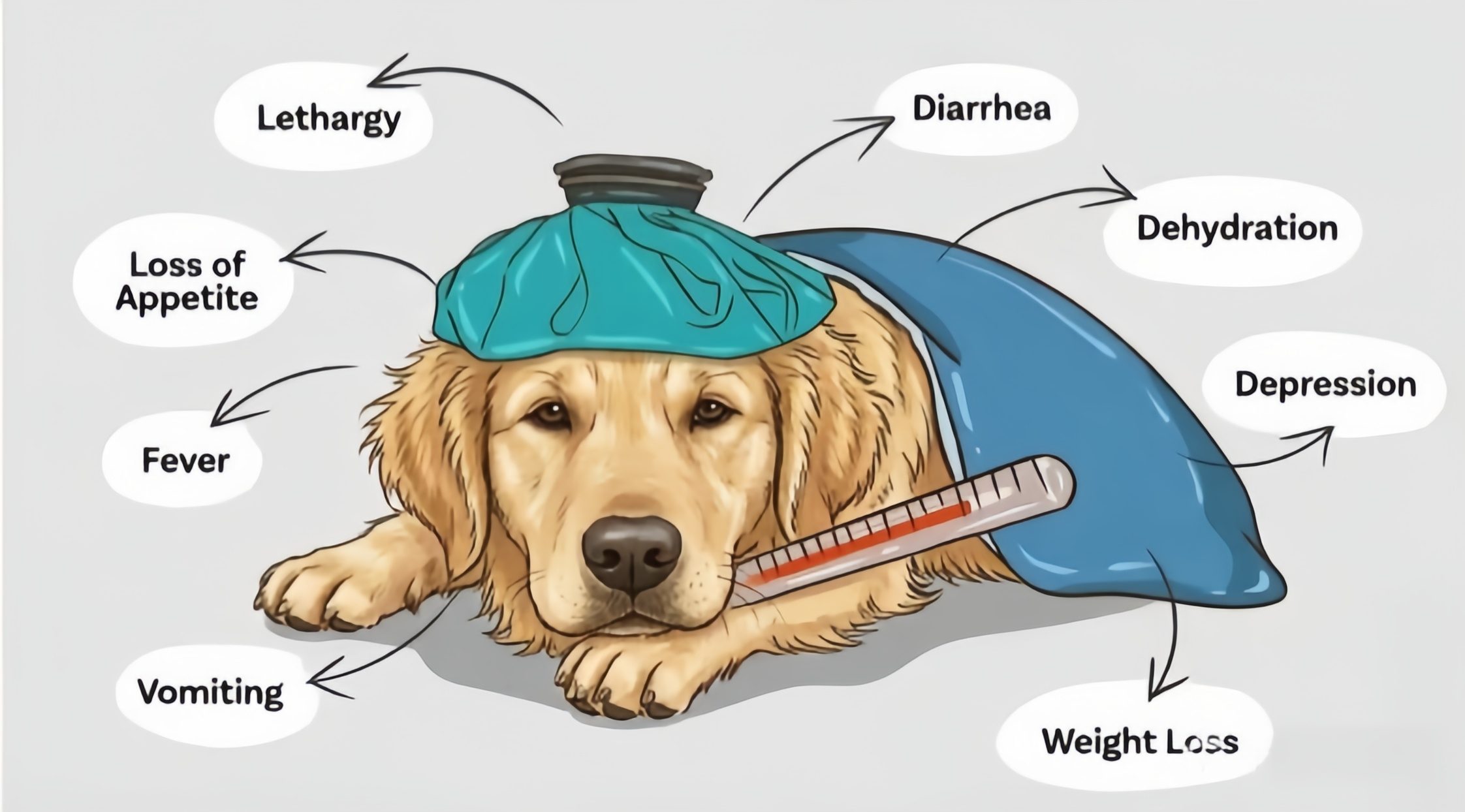
- Overlapping Symptoms and High Misdiagnosis Risk: CPV and CCoV infections present with nearly identical clinical signs, including lethargy, vomiting, watery diarrhea, and dehydration. Relying solely on clinical experience often leads to misdiagnosing CCoV as CPV or failing to detect dual co-infections, resulting in suboptimal treatment plans.
- Synergistic Mortality Rates in Co-infections: CCoV attacks mature enterocytes at the tips of intestinal villi, whereas CPV destroys crypt stem cells. Their synergistic effect causes rapid collapse of the intestinal mucosal barrier, triggering bacterial translocation, systemic sepsis, and an exponentially higher mortality rate.
- High Risk of Nosocomial Infections: If infected patients are not identified immediately during initial triage, their presence in waiting rooms or grooming areas poses a severe cross-infection threat to unvaccinated puppies, often leading to medical liability disputes.
- 2. Five High-Risk Transmission Scenarios: Intercepting Viral Outbreaks
- Both CPV and CCoV are resilient in the environment. Outbreaks frequently occur in the following five scenarios, making intake rapid screening essential:
- Breeding Kennels & Facilities: Puppies aged 6 to 12 weeks experience a "maternal antibody gap" as passive immunity wanes. Once introduced, the virus can trigger explosive co-infections across entire litters.
- Pet Markets & Supply Chains ("One-Week Dogs"): Transport stress, dietary shifts, and crowded conditions severely suppress immune function, leading to rampant cross-infection.
- Boarding Facilities & Shelters: Unvaccinated populations and complex animal origins, combined with the high environmental persistence of CPV, create continuous infection hazards if admission screening is skipped.
- Outdoor Socialization Areas: Because transmission occurs via the fecal-oral route, unvaccinated puppies sniffing or licking contaminated soil or grass easily contract these pathogens.
- Hospital Waiting & Grooming Areas: Unisolated patients with active diarrhea contacting examination tables, scales, or grooming tools readily cause nosocomial infections.
3. Clinical Result Interpretation and Targeted Intervention Protocols
Using rectal swabs or fresh fecal samples, CPV/CCoV lateral flow immunochromatographic cassettes yield clear, objective results within 5 to 10 minutes to guide clinical intervention:
| CPV Test Line (T) | CCoV Test Line (T) | Clinical Diagnosis | Core Treatment and Clinical Actions |
| Positive (Red) | Negative (No Line) | CPV Monoinfection | Isolate immediately. Initiate IV fluid therapy, monoclonal antibodies/antiserums, broad-spectrum antibiotics (to prevent bacteremia), and anti-emetic treatment. |
| Negative (No Line) | Positive (Red) | CCoV Monoinfection | Standard isolation. Focus on supportive care (rehydration, GI mucosal protectants). Prognosis is generally favorable. |
| Positive (Red) | Positive (Red) | CPV + CCoV Co-infection | Critical Condition. Issue a critical illness notice to the owner and recommend immediate transfer to the ICU for intensive monitoring. |
| Negative (No Line) | Negative (No Line) | Negative (Non-viral) | Rule out CPV and CCoV. Investigate parasites (Giardia), bacterial enteritis, or foreign body injuries via fecal flotation or X-ray (DR). |
4. Standard Operating Procedure (SOP): Avoiding Common Operational Pitfalls
To maintain diagnostic sensitivity and prevent false negatives or false positives, veterinary staff should adhere strictly to the following SOP:
- Moderate Sampling: Ensure the swab head is coated with mucosal fecal matter. Avoid over-sampling, as excess dark stool hinders capillary lateral flow, leading to dark background interference or test failure.
- Thorough Elution: Insert the swab into the extraction buffer tube, compressing and rotating it against the tube wall 10 to 15 times to release viral antigens completely.
- Precise Reading Window: After adding 3 to 4 drops of extracted buffer, read results strictly at 5 to 10 minutes. Readings taken after 15 minutes are invalid due to potential false positives.
- Account for Vaccine Interference: Modified live virus (MLV) vaccines may cause transient fecal viral shedding 3 to 10 days post-vaccination, resulting in weak positives. Cross-reference clinical history accordingly.
5. Commercial Application: How Combo Rapid Tests Restructure Clinic Revenue
Implementing CPV/CCoV combo rapid test cassettes offers both clinical reliability and a powerful entry point to build client trust and drive higher average receipts:
| Clinical Scenario | Traditional Approach | POCT Combo Test Integration | Practice Revenue Impact |
| Initial Triage | Single CPV test or empirical drug administration | Introduce a Pediatric Acute Gastroenteritis Panel (Combo Test + CRP + Fecal Smear) | Initial diagnostic receipt value increased by 150%–200% |
| Critical Care Conversion | Verbal explanation; low client perception | Present visual dual-positive results (two red lines) to objectively demonstrate disease severity | ICU hospitalization package conversion rate increased by 60% |
| Word-of-Mouth & Retention | Slow diagnosis, opaque process | Deliver objective results in 10 minutes to establish a highly professional, transparent image | Significant boost in client retention and referral rates |
Conclusion
An accurate, objective diagnostic report serves as the best bridge for doctor-client communication. Standardizing CPV/CCoV Combo Rapid Testing allows veterinary hospitals to build a transparent clinical reputation, mitigate nosocomial infection risks, and drive high-value ICU interventions, achieving a win-win for both clinical outcomes and practice growth.