

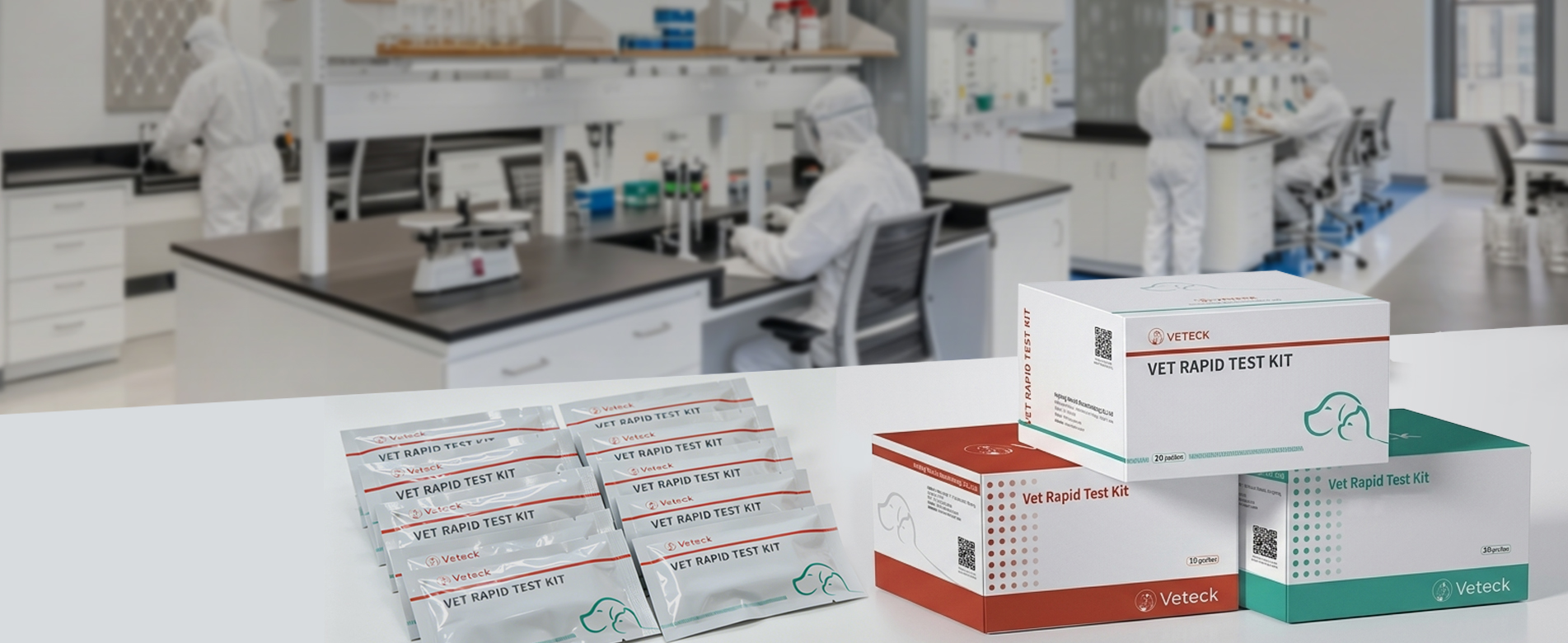
How to Choose a Reliable FPV Antigen Test Kit for Your Veterinary Distributors

Deeply cultivating precise vet diagnostics, empowering smart medical services
Discover how the FPV Antigen Test Kit (Lateral Flow Immunochromatography) provides rapid, 10-minute diagnosis of Feline Panleukopenia Virus. Learn clinical SOPs, result interpretation, false-positive troubleshooting, and revenue-boosting strategies.
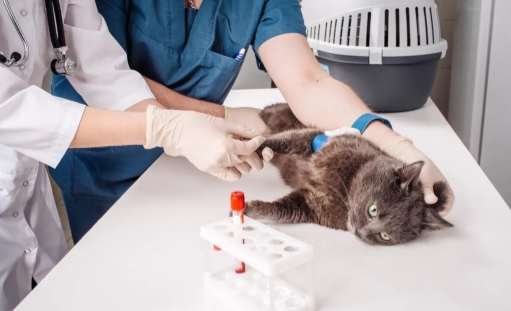
Feline Panleukopenia Virus (FPV)—often referred to as feline distemper or feline parvovirus—is one of the most contagious and fatal viral diseases affecting domestic cats, shelter populations, and kittens. Characterized by acute hemorrhagic enteritis, severe leukopenia, and profound dehydration, FPV carries mortality rates as high as 90% in untreated kittens.
Because clinical signs overlap significantly with Feline Immunodeficiency Virus (FIV), Feline Leukemia Virus (FeLV), intestinal parasites, and acute bacterial enteritis, relying solely on physical exams leads to dangerous misdiagnoses.
The FPV Antigen Test Kit (Point-of-Care Immunochromatographic Assay) provides veterinarians and shelter staff with a rapid, highly accurate, in-clinic diagnostic solution in under 10 minutes.
What is an FPV Antigen Test Kit?
An FPV Antigen Test Kit is a rapid, sandwich lateral flow immunochromatographic assay designed for the qualitative detection of Feline Panleukopenia Virus VP2 capsid protein antigens in feline fecal or rectal swab samples.
Key Takeaways
-
FPV (feline panleukopenia) kills kittens within 48–72 hours — rapid, accurate diagnosis is critical
-
False negatives from low-sensitivity kits are the #1 diagnostic risk in feline practice
-
Key selection criteria: detection limit, antibody type, production standard, and batch consistency
-
Lab-grade kits (e.g., 10²·⁵ TCID₅₀/mL LoD) outperform standard kits (10⁴·⁰ TCID₅₀/mL)
-
GMP-certified manufacturing ensures batch-to-batch reliability (CV < 5%)
The Clinical Risk: Why Test Kit Quality Matters
Feline panleukopenia virus (FPV) is a highly contagious, often fatal disease that progresses rapidly. In kittens, mortality can exceed 90% without early intervention. For veterinarians, the greatest risk is not an untreatable case — it is a missed diagnosis that delays critical care, compromises patient outcomes, and damages clinic reputation.
Low-quality rapid test kits are a primary contributor to diagnostic failure. A test that produces a false negative during peak viral shedding can lead to:
| Consequence | Clinical Impact |
|---|---|
| Delayed treatment | Survival window missed; disease progresses to irreversible stage |
| Nosocomial spread | Infected cat admitted to healthy ward; outbreak among hospitalized patients |
| Client dissatisfaction | Loss of trust; potential malpractice claims |
| Revenue loss | Unnecessary supportive care without definitive diagnosis |
Test Performance Comparison: Lab-Grade vs. Standard Kits
| Parameter | High-Sensitivity Lab-Grade Kit | Standard Market Kit |
|---|---|---|
| Detection Limit (LoD) | 10²·⁵ TCID₅₀/mL | 10⁴·⁰ TCID₅₀/mL |
| Antibody Type | Monoclonal pair (high affinity) | Polyclonal / low-affinity monoclonal |
| Production Standard | GMP Certified | Non-certified / basic |
| Color Development Time | < 2 minutes (clear red) | 5–10 minutes (faint/grey) |
| Specificity | 99.8% (no cross-reactivity) | 92.0% (possible interference) |
| Batch Consistency (CV) | < 5% | > 15% |
Clinical Interpretation: A lab-grade kit detects the virus at viral loads 50x lower than standard kits. This means earlier detection, fewer false negatives, and more confident treatment decisions.
Four Critical Evaluation Criteria for FPV Test Kits
1. Detection Limit (Analytical Sensitivity)
This is the most important metric. Detection limit refers to the minimum viral concentration the test can detect.
| Detection Limit | Clinical Significance |
|---|---|
| ≤ 10³ TCID₅₀/mL | Detects early-stage infection; minimal false negatives |
| 10⁴–10⁵ TCID₅₀/mL | Misses low-shedding cases; high false-negative risk |
| > 10⁵ TCID₅₀/mL | Unacceptable for clinical use |
What to ask your supplier: What is the limit of detection (LoD) for your FPV kit, and how was it determined?
2. Antibody Specificity and Pairing
FPV tests rely on antibody-antigen binding. The quality of the monoclonal antibody pair determines:
-
Ability to distinguish FPV from closely related viruses (e.g., canine parvovirus)
-
Resistance to interference from fecal mucus, debris, and blood
| Antibody Type | Performance |
|---|---|
| High-affinity monoclonal pair | Excellent specificity (≥ 99%); minimal cross-reactivity |
| Low-affinity monoclonal | Moderate specificity (90–95%); some cross-reactivity |
| Polyclonal | Variable specificity; higher risk of false positives |
What to ask your supplier: What antibodies are used in your kit? Have you tested cross-reactivity against CPV-2, FCoV, and other enteric pathogens?
3.Standard Operating Procedure (SOP) for Accurate FPV Testing
Preventing false negatives or test failure requires strict adherence to sampling protocols.
Step 1: Specimen Collection
-
Insert a sterile, plastic-stemmed synthetic swab into the cat’s rectum to collect mucosal fecal matter, or swab fresh stool.
-
Critical Protocol: Ensure the swab head is coated with a thin layer of feces. Do not overload the swab with thick, dark stool, as excessive organic matter impedes capillary lateral flow and obscures visual band interpretation.
Step 2: Sample Extraction
-
Insert the swab immediately into the pre-filled extraction buffer tube.
-
Swirl and press the swab against the inner tube wall 10 to 15 times to fully elute the viral antigen into the liquid.
-
Pinch the flexible tube sides while withdrawing the swab to express all remaining liquid.
-
Attach the nozzle applicator securely onto the tube.
Step 3: Test Execution
-
Place the test cassette horizontally on a flat, clean surface.
-
Dispense 3 to 4 drops of the extracted solution into the sample port (S).
-
Start a timer immediately and observe the capillary liquid migration across the membrane.
How to Interpret FPV Ag Test Results
Reading the test window strictly between 5 and 10 minutes ensures clinical validity:
| Visual Line Pattern | Clinical Result | Recommended Clinical Action Plan |
|
Control (C): YES Test (T): YES |
FPV POSITIVE | Isolate immediately. Initiate ICU supportive care: IV fluid resuscitation, broad-spectrum antibiotics (to counter leukopenic sepsis), anti-emetics, and feline interferon/plasma therapy. |
|
Control (C): YES Test (T): NO |
FPV NEGATIVE | FPV antigen is below detection limits. Investigate non-viral causes (e.g., Giardia, Tritrichomonas, dietary indiscretion) or perform PCR if clinical suspicion remains high. |
|
Control (C): NO Test (T): Any/None |
INVALID TEST | Test failed due to insufficient fluid volume, incorrect procedure, or reagent degradation. Repeat the assay immediately with a new test device. |
Note on Faint Lines: Any visible red band in the Test Zone (T)—no matter how faint—should be interpreted as a positive result.
4. Production Standard: GMP Certification
Manufacturing quality directly impacts test reliability. GMP (Good Manufacturing Practice) certification ensures:
-
Controlled production environment
-
Validated manufacturing processes
-
Documented quality control for each batch
-
Traceability of raw materials and final products
| Production Standard | Batch Consistency | Risk Level |
|---|---|---|
| GMP Certified | CV < 5% | Low |
| ISO 13485 | CV < 10% | Moderate |
| No certification | CV > 15% | High |
What to ask your supplier: Is your manufacturing facility GMP-certified? Can you provide a Certificate of Analysis (CoA) for each batch?
4. Batch-to-Batch Consistency
A reliable test kit performs identically from one batch to the next. Inconsistent kits produce varying results, undermining clinical confidence.
Practice Integration: Transforming FPV Testing into Practice Growth
Implementing a standardized FPV rapid testing protocol strengthens hospital biosecurity while enhancing revenue generation:
-
Infectious Triage & Isolation Protocol: Enforce mandatory FPV screening for any kitten or unvaccinated cat presenting with acute vomiting, diarrhea, or lethargy prior to entering general wards or grooming areas. This eliminates catastrophic shelter or clinic outbreaks and prevents legal liability.
-
Pediatric GI Diagnostic Packages: Bundle the FPV Ag Test with Feline Leukemia/Immunodeficiency Virus (FeLV/FIV) combo screening, Complete Blood Count (CBC) to monitor white blood cell counts, and fecal smears into a standardized "Acute Feline GI Panel." This comprehensive approach increases diagnostic accuracy while expanding clinic revenue per consultation.
-
Enhanced ICU Conversion: Demonstrating a clear, visual red line on the FPV test cassette provides objective diagnostic proof to pet owners, facilitating immediate consent for high-margin ICU hospitalization and intensive supportive care packages.
| Coefficient of Variation (CV) | Interpretation |
|---|---|
| < 5% | Excellent consistency |
| 5–10% | Acceptable |
| > 10% |
About Us
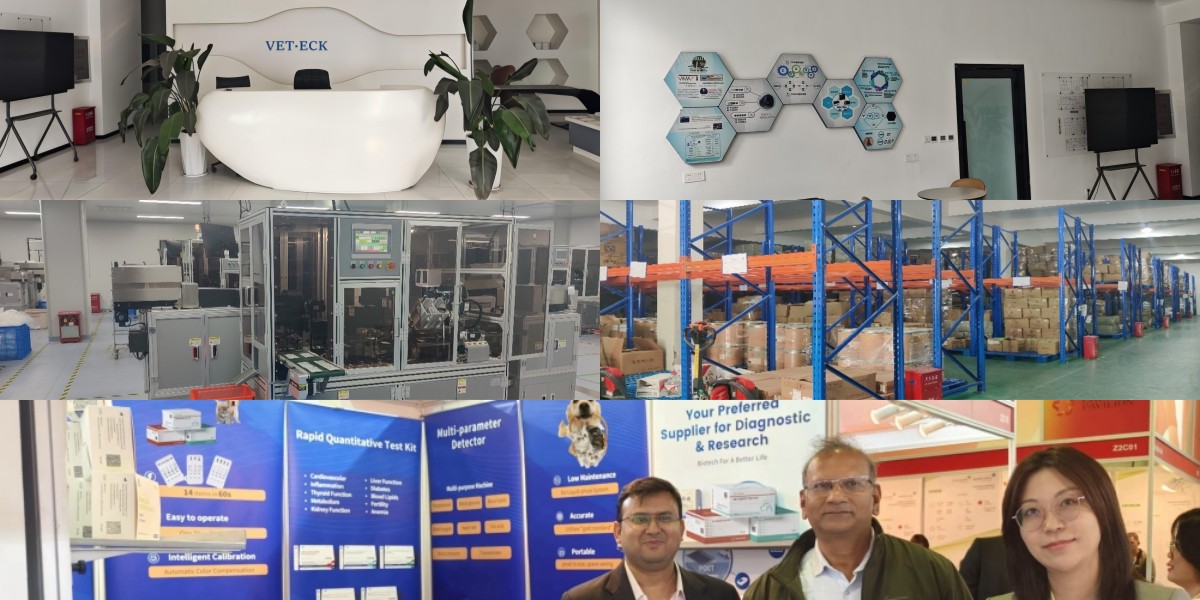
As a source veterinary rapid diagnostic manufacturer, Veteck has dedicated its expertise to crafting the FPV Antigen Rapid Test Kit (double-antibody sandwich colloidal gold method), designed to provide global veterinary rapid diagnostic distributors, veterinary rapid diagnostic agents, and frontline veterinarians with a highly accurate yet cost-effective diagnostic tool.